Homesteading for Beginners: First 10 Skills to Learn
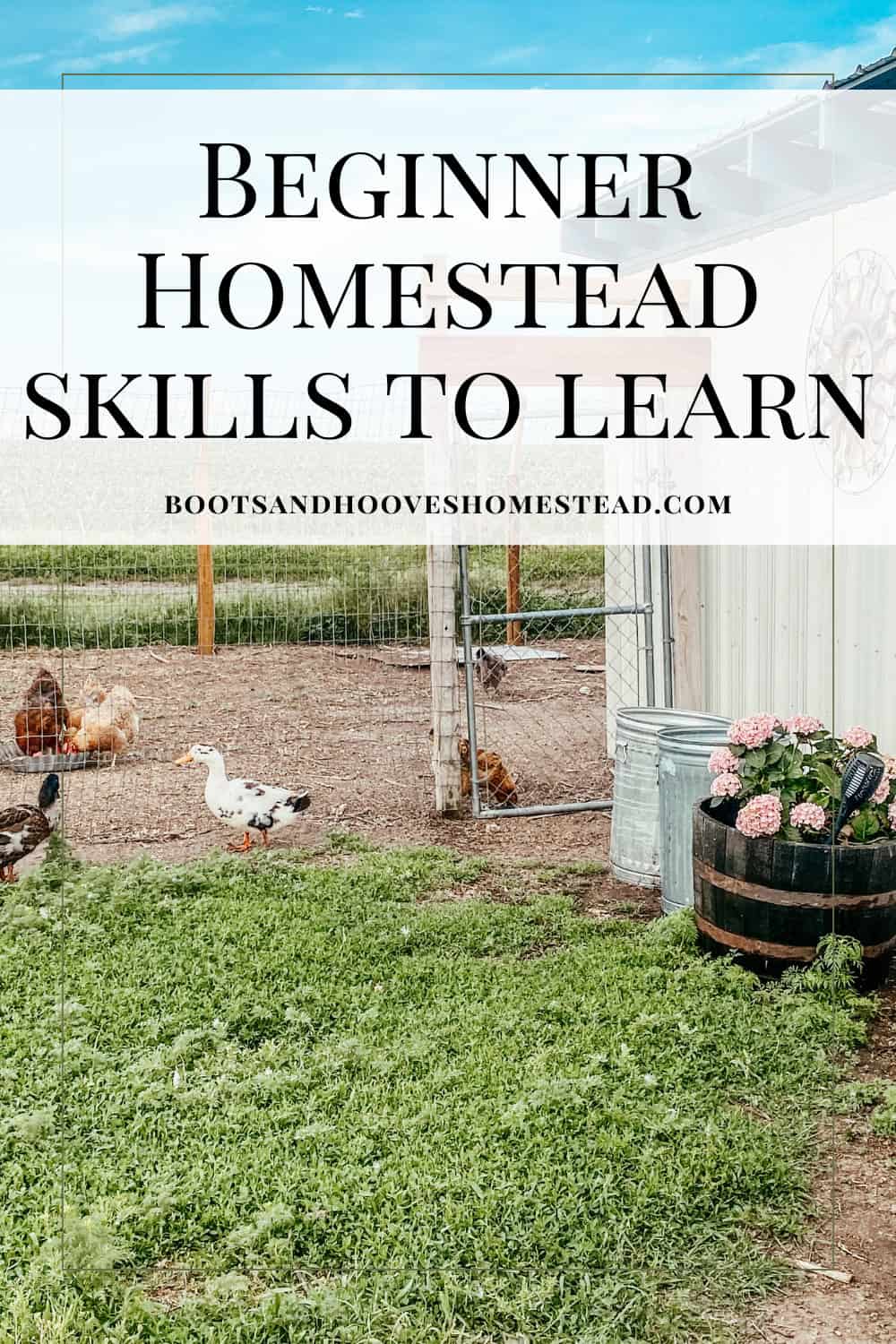
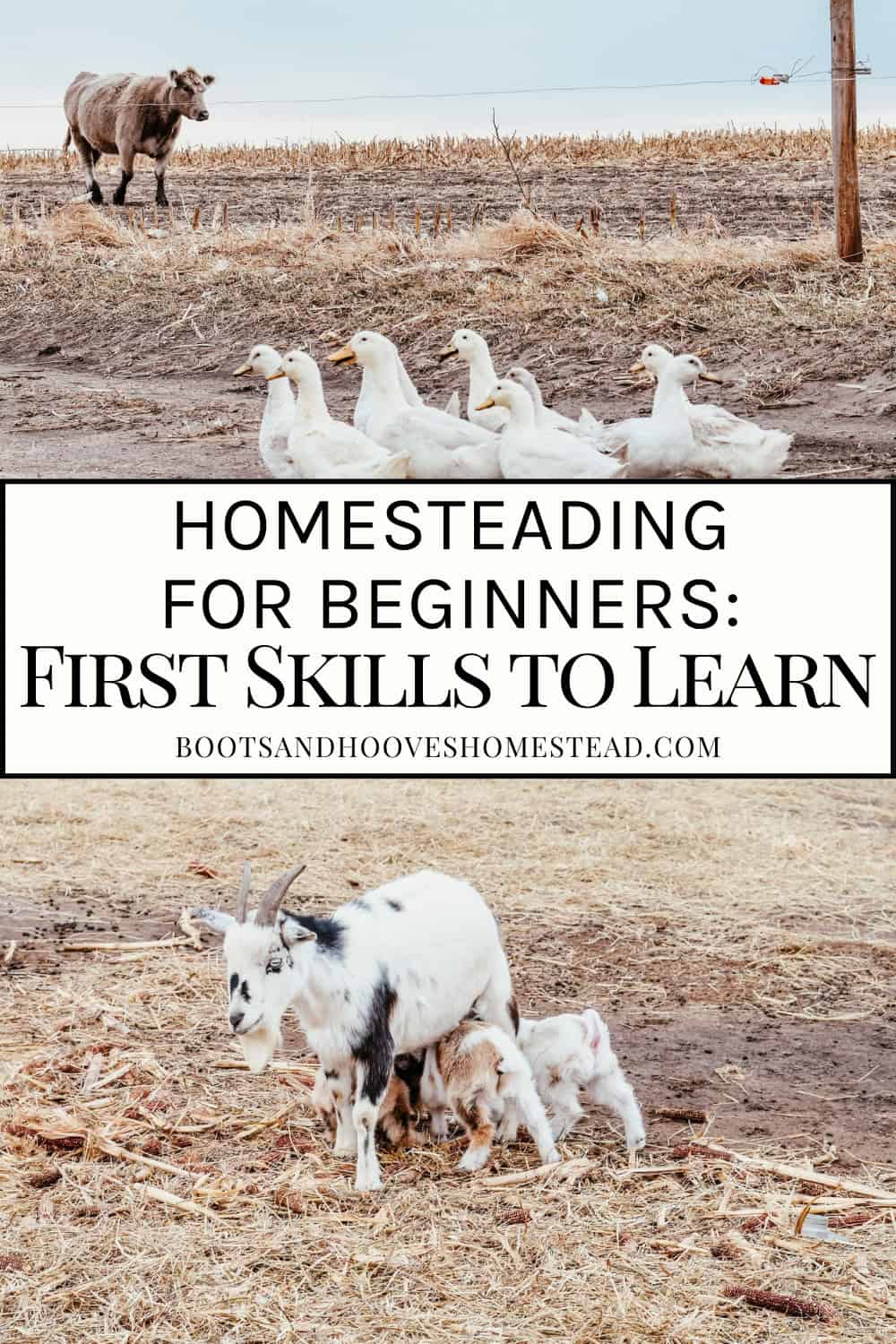
If you’re dreaming of a simpler, healthier, more self-sufficient life, homesteading is one of the best places to begin. And here’s the good news: you don’t need acres of land, a big barn, or a flock of animals to get started. Homesteading is really about learning practical skills that help you become more resourceful and connected to your home. And you can begin right where you are.
Whether you’re in the city, suburbs, or countryside, these first beginner-friendly skills will build confidence and set the foundation for your homesteading journey. Start small, choose one or two at a time, and enjoy the process of learning something new.
What Homesteading Really Is (and Isn’t)
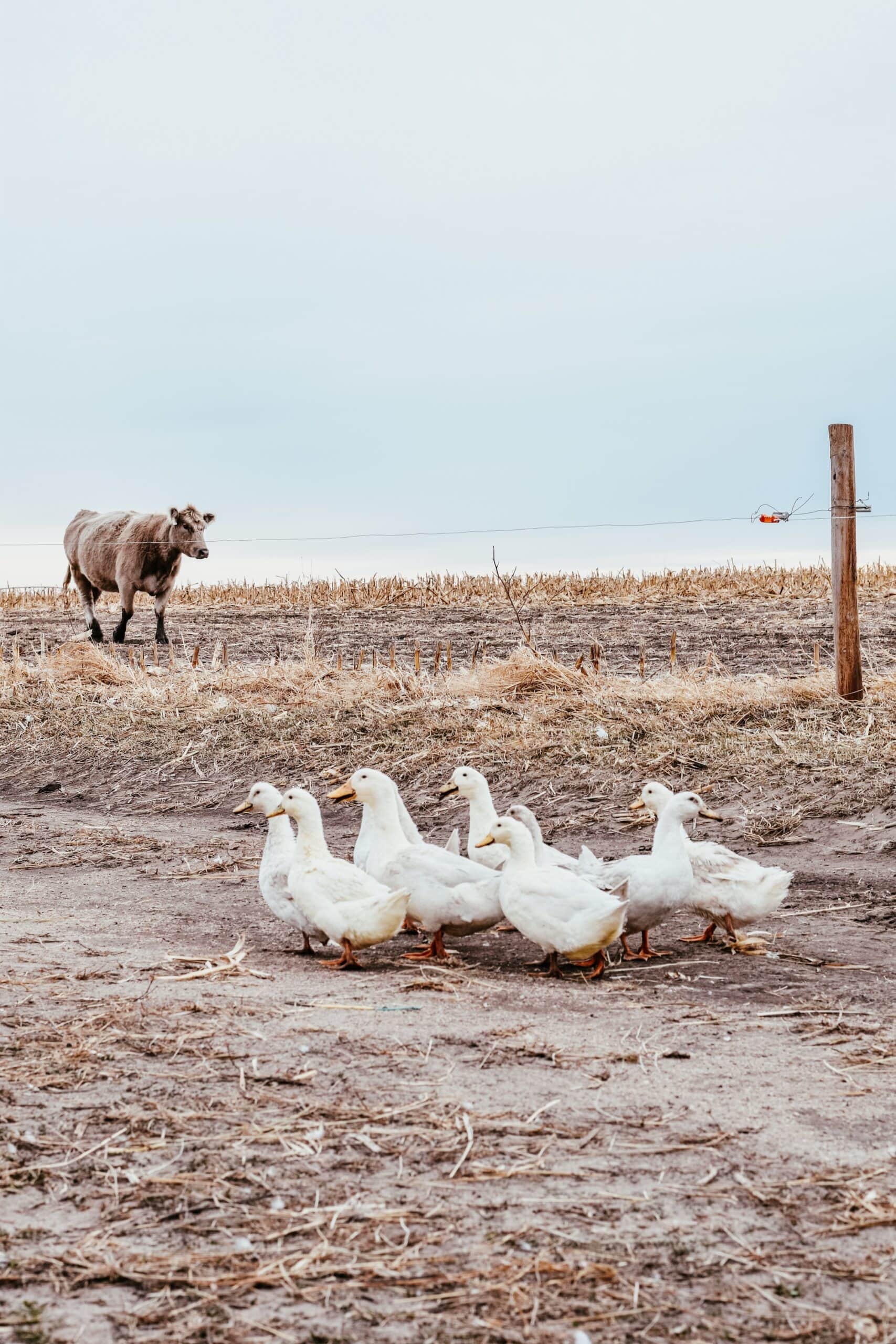
Modern homesteading looks a little different for everyone. For some, it’s backyard chickens and a big garden. For others, it’s learning how to make homemade bread and grow herbs on a windowsill.
At its heart, homesteading is about:
- Learning traditional skills
- Cooking and living more intentionally
- Reducing reliance on convenience foods
- Creating a healthier, more sustainable home
- Growing in confidence and self-sufficiency
It doesn’t require perfection—or even a lot of space. Just a willingness to learn and take small steps.
Why Learning Skills Matters More Than Gathering “Stuff”
It’s easy to look at social media and think you need heirloom tools, specialized equipment, or a fully built homestead to start. But truthfully?
Skills > Supplies.
When you learn the basics—how to cook, garden, preserve food, or care for animals—you gain confidence long before you invest in anything big. And these skills work in any home, whether you’re apartment living or already on a few acres.
And this is exactly how I started to learn these essential skills—slowly over the years. I cannot believe that we are approaching (a bit shy of) the 13-year mark as homesteaders. 🤯
The First 10 Skills Every Beginner Homesteader Should Learn
These are the building blocks of a simpler, more self-sufficient lifestyle. Start with the ones that make sense for your home and your season of life.
1. Cooking From Scratch
This is the foundation of homesteading. When you know how to cook simple, nourishing meals from whole ingredients, you instantly become more self-reliant.
Start with:
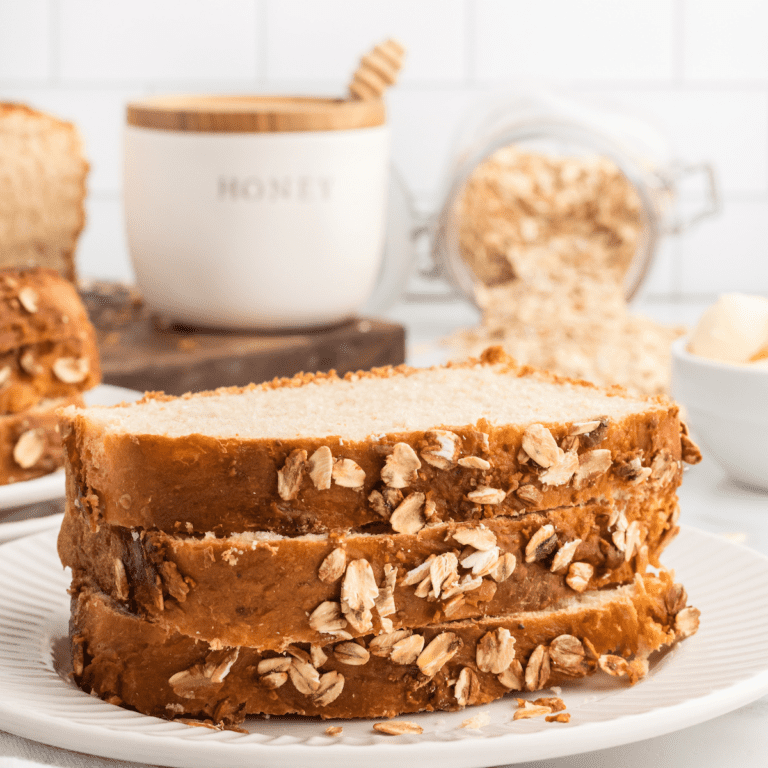
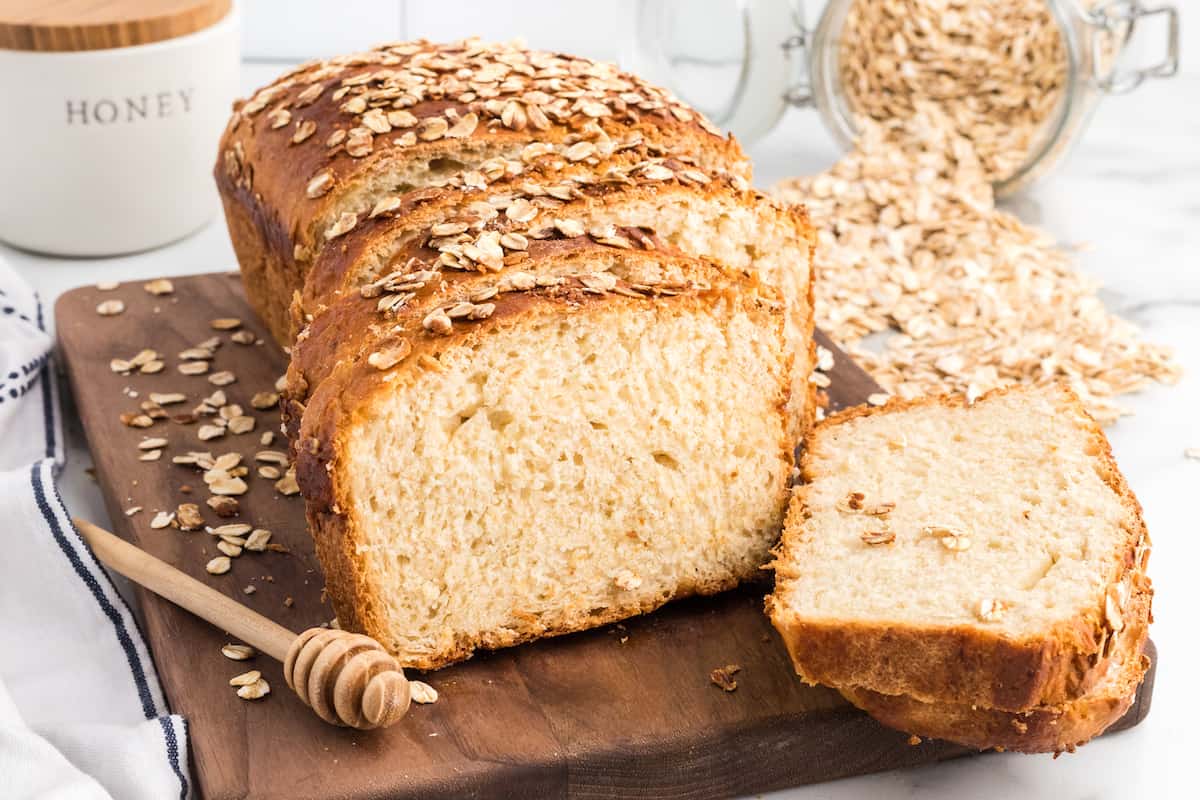
- Basic breads (like sandwich bread or biscuits)
- Simple homemade soups
- Roasting whole chickens
- Making homemade broths
- Cooking beans and grains—we have been a whole grains family for a while now, and I’ve been recently trying to get more into baking with whole grains. More to come on this in the future!
Cooking from scratch reduces food costs and boosts your family’s health—without feeling overwhelming.
Related: From-Scratch Cooking 101: How to Start a Traditional Kitchen
2. Gardening (Even Small-Scale)
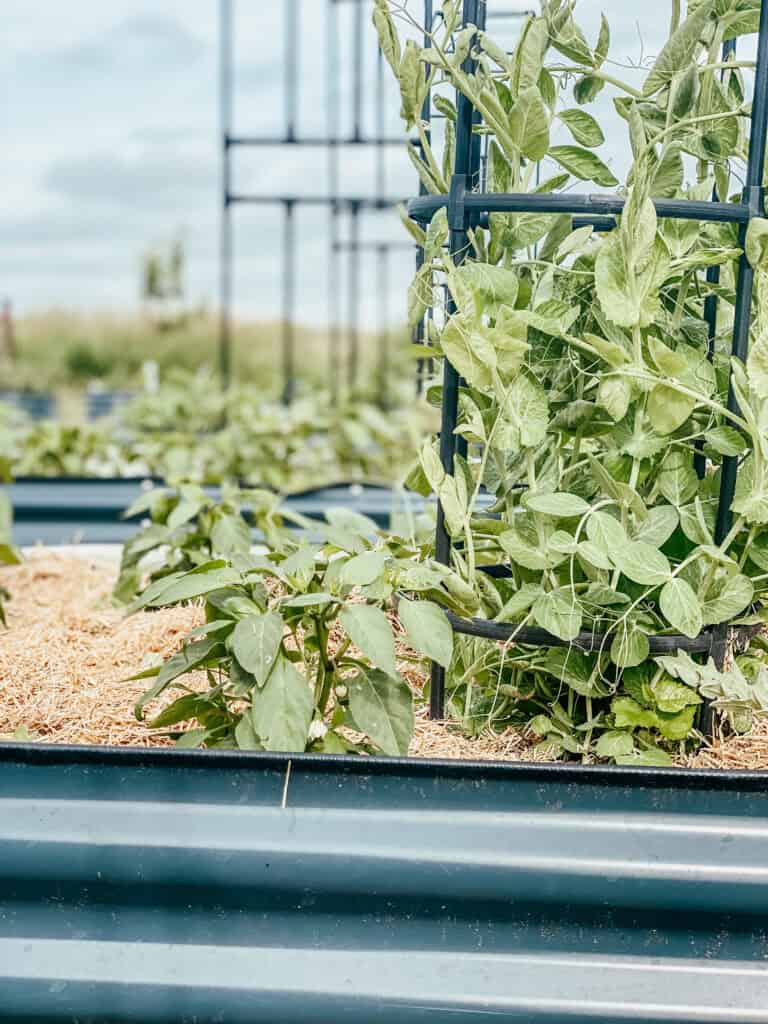
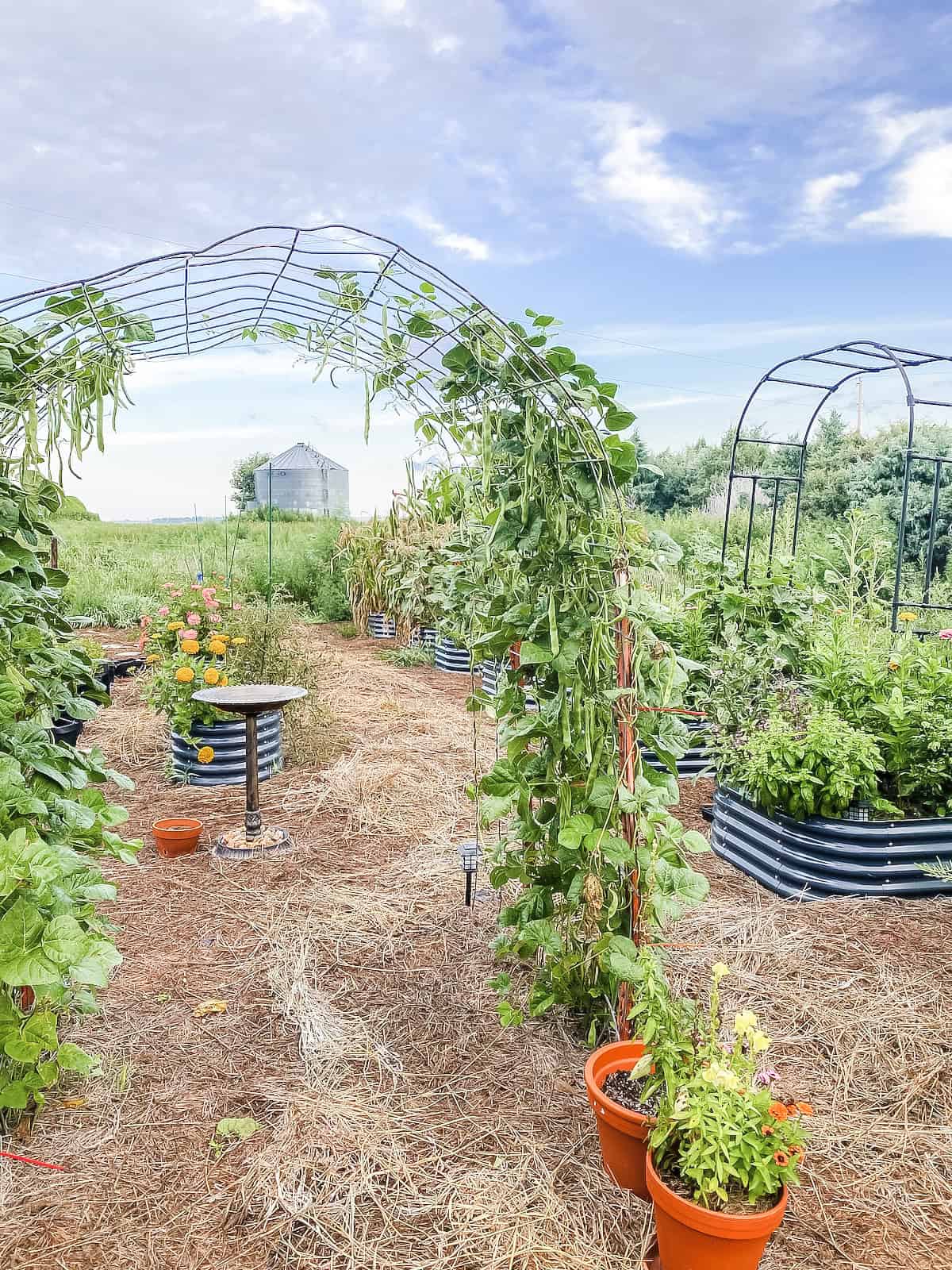
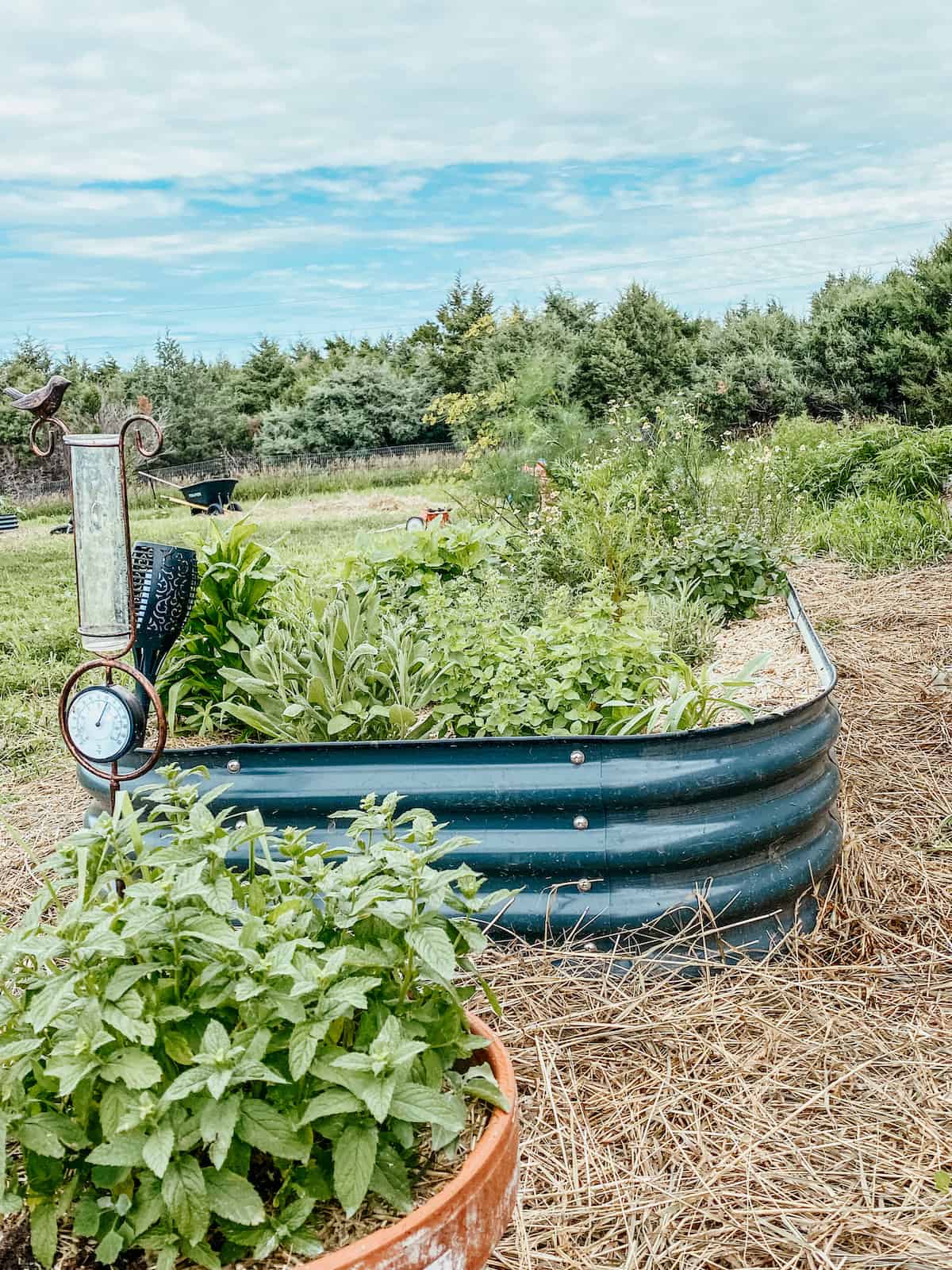
You don’t need a giant vegetable patch to begin gardening. A few pots on a patio or a 4×8 raised bed is enough to grow real food.
Start with easy crops like:
- Lettuce
- Herbs
- Radishes
- Green beans
- Cherry tomatoes
Learn your growing zone, start with good soil, and keep it simple. Gardening is one of the most rewarding skills you’ll ever learn—and it grows your confidence with every harvest.
✨ Learn more about getting started with gardening in our Organic Garden archives.
3. Food Preservation
Once you grow or buy food in bulk, you’ll want simple ways to store it for later. Food preservation doesn’t have to be complicated or intimidating.
Begin with:
- Freezer meals and freezer fruits
- Dehydrated herbs
- Simple water bath canned jams
- Fermented vegetables like sauerkraut
Preserving food stretches your budget and keeps your pantry stocked with real, wholesome ingredients year-round.
4. Basic Kitchen Herbalism
Many homesteaders love learning simple herbal skills to support their family’s wellness naturally.
Start by growing or purchasing easy herbs like:
- Calendula
- Peppermint
- Chamomile
- Basil
Then try beginner-friendly projects:
- Herbal teas
- Infused oils
- Salves
These basic remedies are simple to make, budget-friendly, and incredibly empowering. If you’re new to herbalism, I suggest taking a look at The Herbal Academy or reading our post: Creating a Home Apothecary + Herbal Guide.
5. Raising Chickens for Eggs
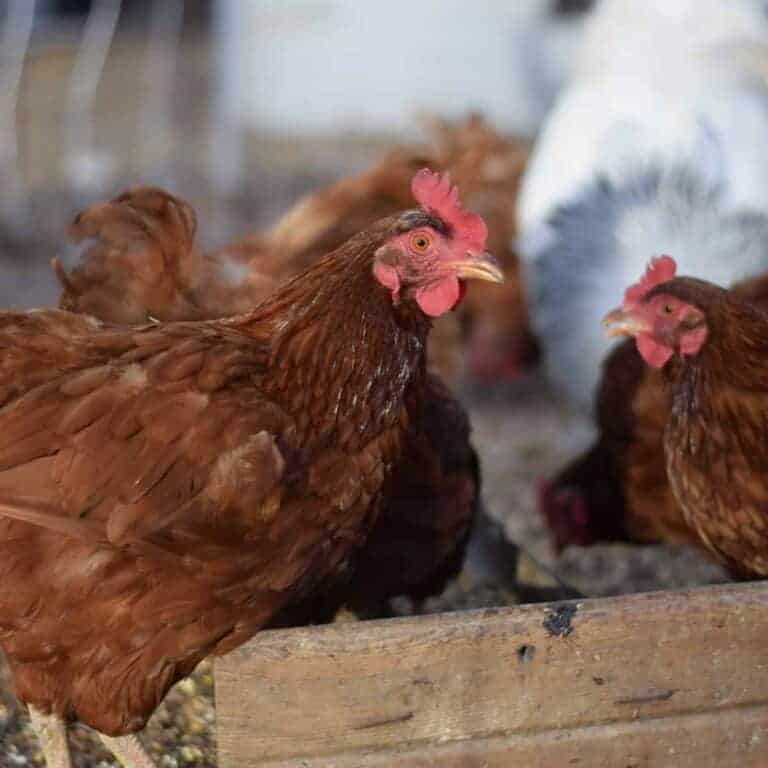
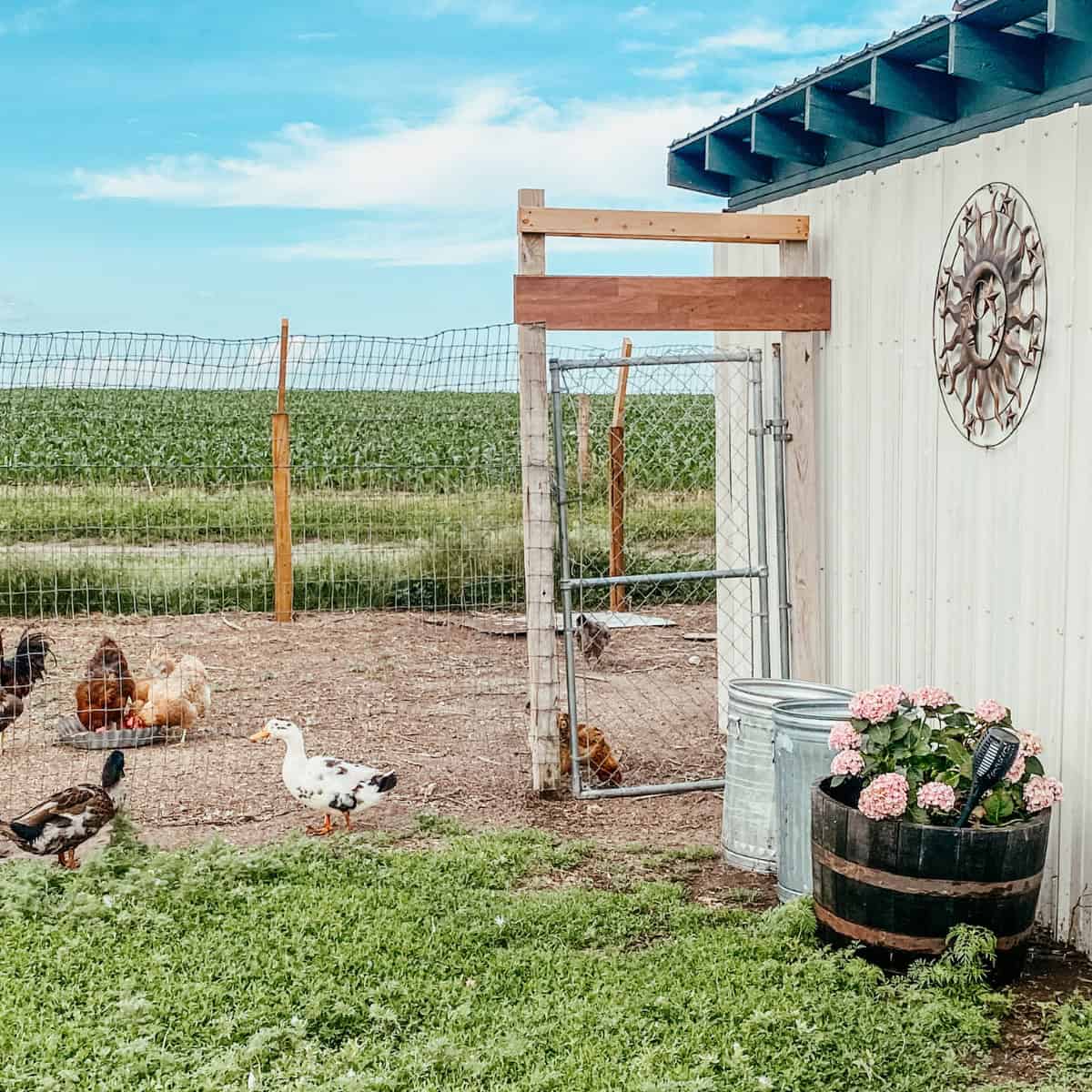
If you’re ready (and your location allows it), chickens are the perfect first homestead animal. And often, this is the gateway to adding in more livestock! 😅 They’re hardy, beginner-friendly, and rewarding.
Beginner tips:
- Provide secure, predator-proof housing
- Start with 4–6 hens
- Offer clean water + quality feed daily
- Keep chores simple and consistent
Want to save this?
Fresh eggs and lively hens make homesteading feel real in the best way.
6. Basic Animal Husbandry Skills
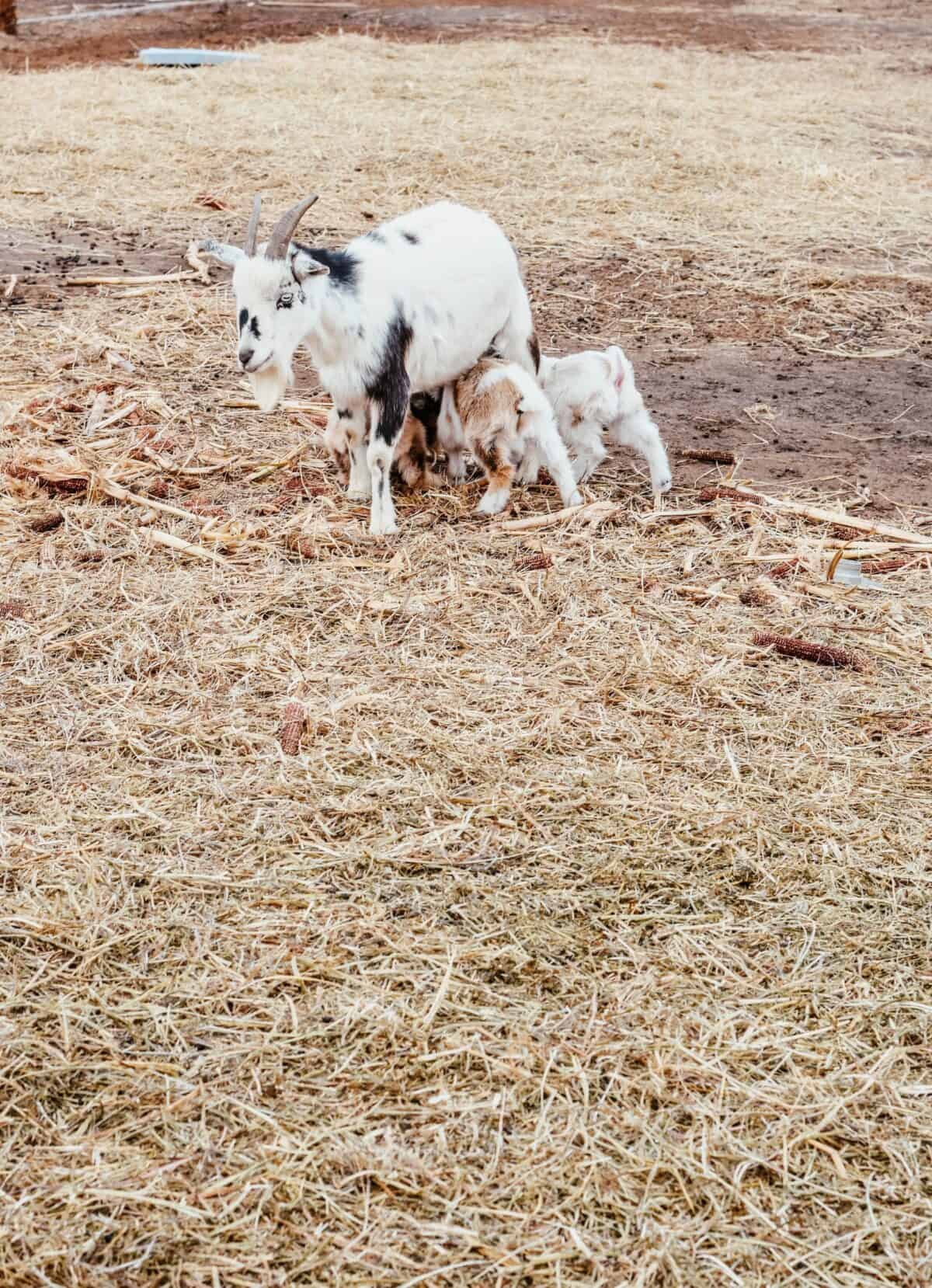
Even if you don’t have animals yet, learning the principles of animal care is incredibly helpful for future growth.
Key basics include:
- Clean water and clean housing
- Routine feeding
- Observation skills (notice changes in behavior or health)
- Simple bedding and mucking systems
These foundational practices prepare you for goats, pigs, cows, and whatever your dream homestead includes down the road.
7. Making Homemade Household Staples
Homesteading often begins with small changes—like swapping store-bought cleaners or personal care items for simpler homemade versions. It really isn’t complicated to make your own homemade cleaning supplies or other staples.
In fact, this is exactly where I started when I was pregnant with my first child.
Easy beginner staples:
- All-purpose vinegar cleaner
- Homemade body scrubs
- Tallow or herbal balms
- Basic non-toxic laundry detergent and other additions
→ These swaps save money, reduce toxins, and simplify your home. For more homemade cleaning, non-toxic living, and remedies, check out our clean living page.
8. Composting & Soil Building
Healthy soil is the backbone of a thriving garden. Composting is one of the easiest and most accessible ways to build nutrient-rich soil for free.
Simple beginner options:
- Backyard compost pile
- Compost tumbler
- Worm bin (great for small spaces!)
Learn what you can and can’t compost, and let nature handle the rest
9. Basic Home Maintenance & DIY Skills
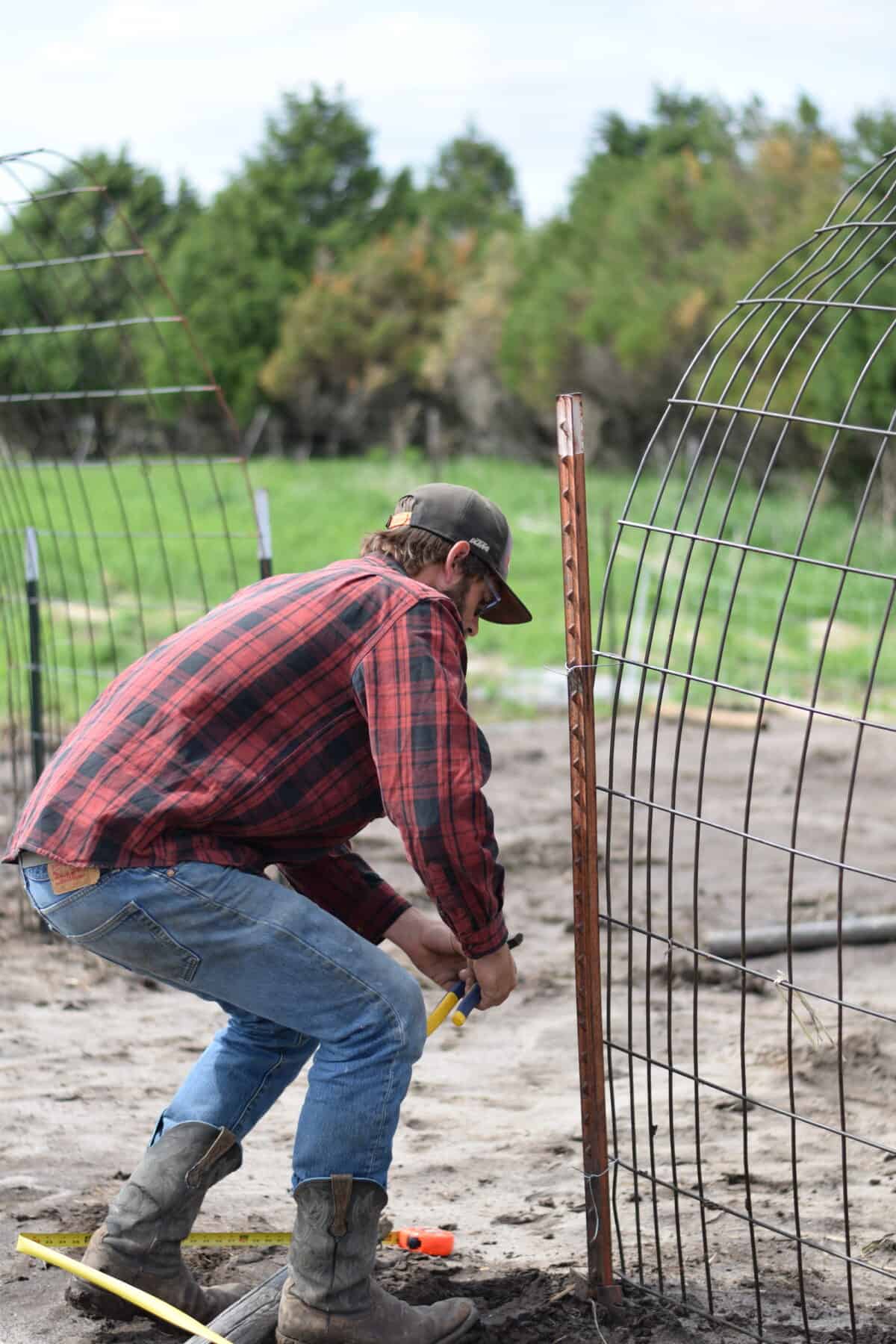
Homesteading involves being resourceful—and knowing how to fix small things saves so much money and stress. To be honest, this is an area where I definitely struggle. But, I’m so grateful that my husband is super handy.
We balance each other out! 😉
Start with:
- Using basic tools
- Fixing small plumbing leaks
- Maintaining appliances
- Patching minor holes
- Replacing simple fixtures
You don’t need to be an expert—just willing to learn.
10. Learning to Plan Seasonally
Homesteading is deeply seasonal. The more you lean into the natural rhythms of the year, the smoother everything becomes.
Seasonal planning includes:
- Garden tasks + planning guide
- Planting dates
- Food preservation seasons
- Home maintenance
- Animal care cycles
Once you fall into a seasonal rhythm, homesteading begins to feel peaceful instead of chaotic. For more on seasonal updates and homesteading by month, read this post: Creating an Annual Homestead Schedule + Plans.
How to Choose Which Skill to Start With
You don’t have to learn all 10 skills at once. In fact, it’s better if you don’t.
Choose your starting point by asking:
- What is most practical right now?
- What will help your family immediately?
- What sounds fun or interesting?
- What fits your current home (garden space, local laws, time, budget)?
Many beginners start with cooking, gardening, or simple DIY chores—and build from there.
Common Mistakes New Homesteaders Make
As you’re dreaming of building your homestead or in the beginning stages, it’s easy to fall into common mistakes. Many of these can be easily avoided, too!
Avoid these early pitfalls:
- Trying to do everything at once
- Overspending on tools or equipment
- Feeling pressured to “keep up” with others
- Not planning ahead for the seasons
- Expecting perfection from day one
Homesteading is a journey of growth. Give yourself grace and plenty of room to learn.
→ Learn about Common Mistakes Beginner Gardeners Make + How to Fix Them
Final Encouragement: Start Small & Stay Consistent
Every homesteader starts exactly where you are—eager, a little unsure, and full of excitement for what’s ahead. The best thing you can do is to simply begin.
Choose one or two skills from this list, practice them this season, and your confidence will grow quickly. A year from now, you’ll be amazed at how far you’ve come.
You don’t need the perfect homestead to start homesteading. You just need a willing heart and the courage to take the first step.
Tell us your thoughts…
Comment below and let us know what beginning homestead skills you would like to learn more about or what you’re building this year!