What Counts as “Ultra-Processed”? A Simple From-Scratch Pantry Swap List
If you’ve been reading food headlines lately, you might be wondering when feeding a family became so complicated.
There are debates about ingredients, conflicting opinions about what belongs in our kitchens, and plenty of advice that can leave a mother second-guessing her grocery cart.
Even the term ultra-processed raises questions. What does it mean? Does everything in a package count? And do we really need to replace our entire pantry to cook well for the people we love?
You can begin much more simply than that by making a few simple swaps in the pantry:
- A pot of oatmeal.
- A jar of homemade dressing.
- A tomato sauce that comes together while the pasta cooks.
These small things are a lovely place to start. They give us a chance to learn, enjoy good food, and practice gratitude for God’s provision in the middle of ordinary family life.
What does “ultra-processed” actually mean?
There isn’t one definition used consistently everywhere. In August 2026, federal officials announced that a proposed U.S. definition of ultra-processed foods had been submitted for final review. That announcement marked a step in the process, rather than a finalized definition which we could use to sort their groceries. Read the HHS announcement.
For a general explanation, the term commonly refers to industrial food formulations that often contain ingredients or additives used to create particular flavors, textures, or other qualities.
But processing itself covers a very wide range of things: Freezing vegetables is processing. So are canning tomatoes, milling flour, and fermenting yogurt. And all of those foods can all have a useful place in a from-scratch kitchen.
A package doesn’t automatically make a food something to avoid. And making something at home doesn’t automatically make it more nourishing; the ingredients and the way we eat matter, too.
For everyday cooking, I find it more useful to ask: What would I enjoy learning to make, and what would work for my family this week?
That question gives us somewhere practical to begin.
A kitchen rooted in family tradition
Family gatherings were a huge part of my childhood. I learned a lot of basic cooking skills by making large family-style meals to enjoy with friends and family. Not only was the connection an important part of our family culture, but I also learned many valuable lessons along the way.
From spending time with my grandparents and learning the art of a slow-simmering sauce; to baking Christmas cookies & other baked recipes to gift to friends and neighbors— these traditions really shaped my upbringing and taught me the value in real food, made from scratch, and with a whole lot of love.
Family recipes can give us a starting point when food advice feels overwhelming. But, maybe you didn’t grow up with a family culture of cooking from scratch. Don’t despair, there’s no better time than now to make this change!
We can learn how to season a pot of beans, turn tomatoes into sauce, or make a simple dough. With practice, those individual skills become familiar enough to use on an ordinary Tuesday.
That’s how a from-scratch kitchen grows: one recipe made often enough that it begins to feel like home.
Five easy pantry swaps to try
So, let’s dive in and make the changes today. You don’t need to empty your cupboards or set aside an entire weekend. Choose something you use regularly, finish what you already have, and try making the next batch yourself.
Consider these swaps as invitations to cook more. They aren’t a checklist for classifying every packaged product as ultra-processed. But these small changes over time, are worth the effort. And then you can build from there.
1. Flavored oatmeal packets → rolled oats with your own toppings
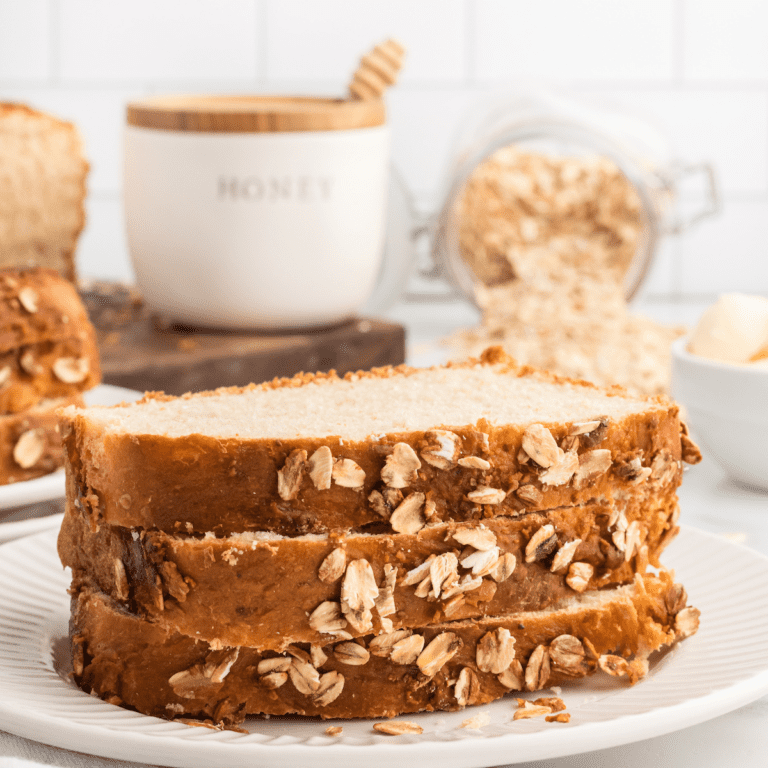
A bag of rolled oats gives you a simple starting point for breakfast, with plenty of room to change the flavor.
Cook according to the package directions with water or milk, then try adding:
- Chopped apples and cinnamon
- Frozen berries
- Banana and peanut butter
- Raisins and a little maple syrup
- Chopped nuts and seeds (my personal favorite)
For busy mornings, measure individual portions of dry oats and cinnamon ahead of time. Add your fruit and other toppings when you cook.
Start small: Try homemade oatmeal for one breakfast this week. Notice which toppings your family likes best.
I have these easy overnight oats that you may like to add for extra busy weekdays:
2. Seasoning packets → a homemade spice blend
If you already keep a few basic spices in the cupboard, you may have everything you need to make a seasoning blend.
For a simple taco-style mixture, combine:
- 1 tablespoon chili powder
- 1 teaspoon ground cumin
- 1 teaspoon garlic powder
- 1 teaspoon paprika (I prefer smoked paprika here)
- ½ teaspoon dried oregano
This makes about 2 tablespoons plus ½ teaspoon. Start with 1 tablespoon per pound of meat or a pot of beans, then adjust to taste. Add salt separately so you can account for the other ingredients in your meal.
Keep the dry blend in a clean, dry jar and label it. You can make it hotter or milder, leave out a spice your family dislikes, or double the batch once you’ve found your favorite proportions.
Start small: Make enough for your next taco night before mixing a large jar.
3. Boxed pancake mix → your own make-ahead dry mix
Homemade pancakes don’t have to mean pulling every ingredient out of the cupboard on a busy morning.
Want to save this?
Choose a pancake recipe your family enjoys. Measure its dry ingredients into a jar or container, then write the wet ingredients and cooking instructions on a label.
When breakfast comes around, part of the work is already finished.
If your recipe uses whole-grain flour, remember that it generally keeps best in the refrigerator or freezer for longer storage. Personally, I grind the flour fresh every time I plan to use it, so I don’t like to store whole-grain flour for long term.
Start small: The next time you make pancakes, measure a second batch of dry ingredients for another day.
4. Jarred pasta sauce → a simple sauce made with canned tomatoes
Canned tomatoes are one of the most useful shortcuts in a traditional kitchen. And I love a good jar of Bionaturae pasta sauce for extra busy nights. But nothing is as satisfying as making your own sauce, especially fresh from the garden.
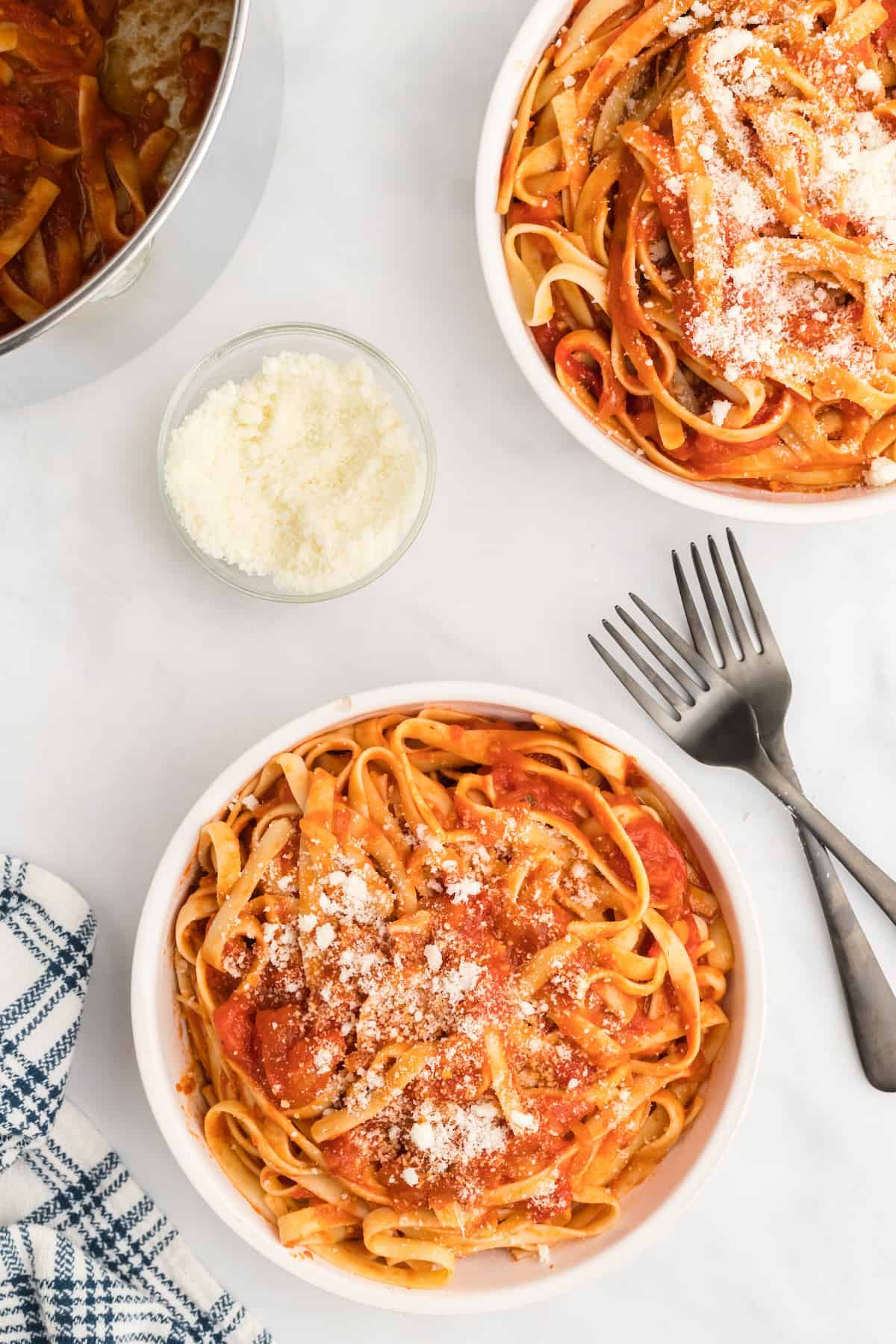
Gently cook a little chopped garlic in olive oil, then add a can of crushed tomatoes and some fresh or dried basil or oregano. Let everything simmer while you prepare the rest of dinner, stirring occasionally and seasoning to taste.
Use a saucepan with enough room for the sauce to bubble without making a mess. If you have extra time, let it cook a little longer to thicken.
You can add cooked meat, sautéed vegetables, or a handful of fresh herbs when you have them. A plain tomato sauce without meat is also perfectly good.
Start small: Make a simple sauce for one pasta supper. If your family enjoys it, make extra next time and freeze a portion for a busy evening.
Here are a few of our favorite sauce recipes:
- San Marzano Tomato Sauce
- Traditional Bolognese Sauce
- Creamy Pomodoro Sauce Recipe
- Gnocchi Recipe with Spicy Creamy Pepper Sauce
5. Bottled dressing → a quick homemade vinaigrette
A jar with a tight-fitting lid is all you need to make a basic dressing.
Start with:
- 3 tablespoons olive oil
- 1 tablespoon vinegar or lemon juice
- ½ teaspoon Dijon mustard
- Salt and pepper to taste
Shake together, taste, and adjust. Add more vinegar if you prefer a sharper dressing, or a little more oil for a milder one.
Fresh or dried herbs or a small drizzle of honey can change the flavor without much extra work. This basic version leaves out fresh garlic, which requires additional care when stored in oil.
Make a small amount, refrigerate leftovers promptly, and shake again before serving.
Start small: Mix enough for tonight’s salad and see what your family thinks.
Keep the shortcuts that help you cook
A from-scratch kitchen can still include canned beans, frozen vegetables, dried pasta, plain yogurt, and store-bought broth.
Those ingredients help get dinner on the table. They also make it easier to cook when the day has been full of homeschooling, chores, errands, or children who need a little extra attention.
Cooking dried beans is a useful skill. But opening a can of beans can also be the thing that makes a homemade meal possible that evening. Give yourself room to use both…it really is all about creating balance.
As your skills grow, you’ll discover which things you love making and which conveniences earn their place in your pantry.
How to choose your first swap
Begin with something your family already eats often.
If oatmeal is a regular breakfast, start there. If you make tacos every week, try the seasoning blend. If everyone loves pancakes on Saturday morning, measure an extra batch of dry ingredients.
Before choosing, consider three things:
- Your time: Can this fit into the week you actually have?
- Your budget: Can you use ingredients already in your cupboard?
- Your family’s tastes: Is this something they’re likely to enjoy?
Then give yourself a few tries. A new recipe may need adjusting before it becomes a family favorite.
Once one swap feels easy, you can decide whether to add another.
Making room for gratitude at the table
There is something deeply satisfying about taking a few ordinary ingredients and making a meal to share. Each of these things gives us something to be grateful for.
We can give thanks for the oats in the cupboard, the tomatoes preserved for another season, and the herbs that make the kitchen smell wonderful. From-scratch cooking can help us to pay attention to those gifts and be grateful for Providence.
It can also teach our children patience as they stir a batter, resourcefulness as they use up leftovers, and hospitality as they help prepare a meal for someone else.
And on the evenings when dinner is hurried and the kitchen is messy, we can still offer thanks. Our care for our families shows up in many kinds of meals.
Start with one small thing you would enjoy learning. Let it become familiar. Build from there as time and circumstances allow.
If you’d like help choosing pantry staples, gathering basic tools, and learning your first kitchen skills, visit my guide to From-Scratch Cooking 101: How to Start a Traditional Kitchen.
Which swap are you making first? Let me know below.