Bird Flu This Fall: Simple Steps to Keep Your Backyard Flock Safer
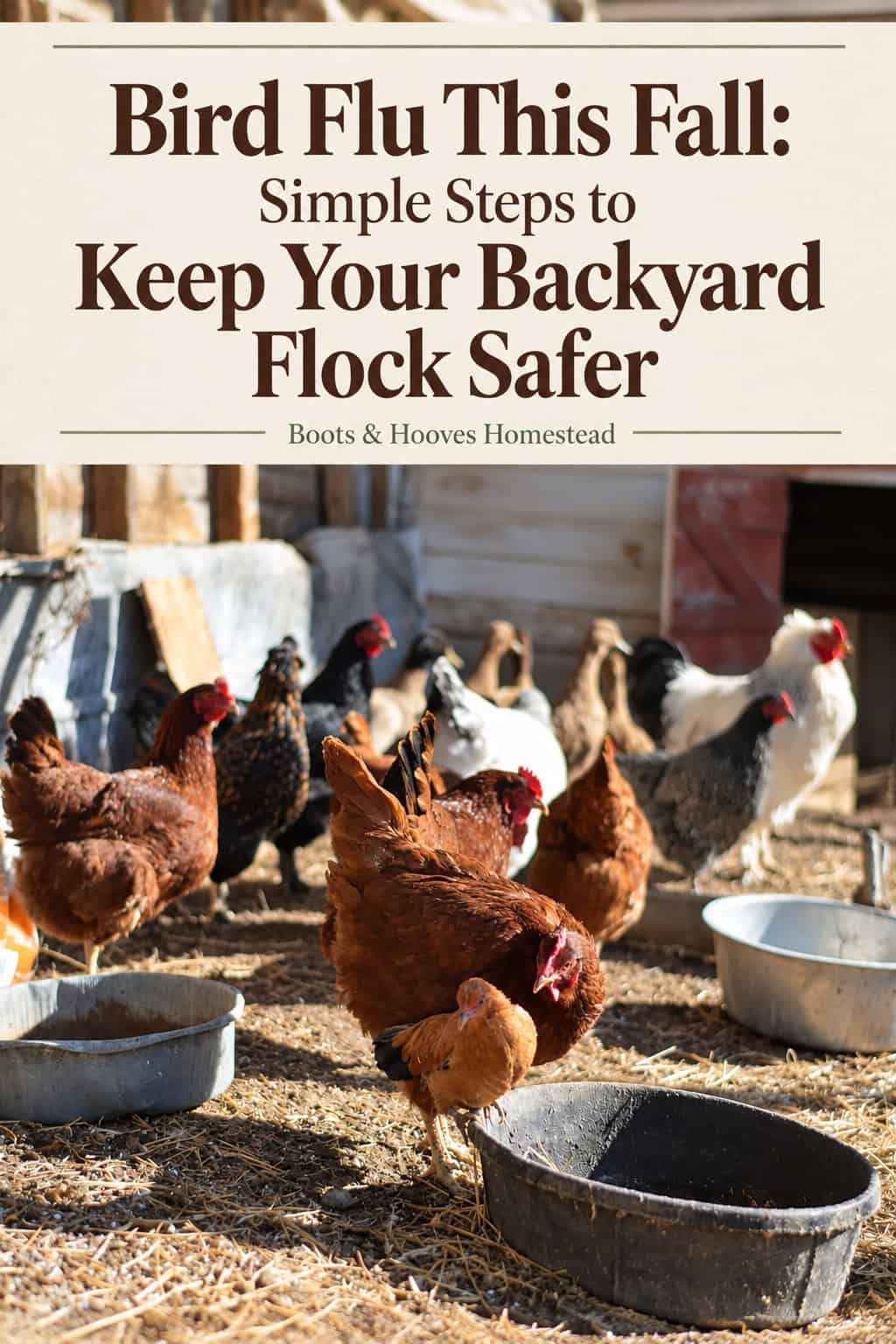
One thing raising chickens has taught me is that a quiet backyard isn’t always as safe as it looks.
I’ve learned that certain owls hunt during the day, that eagles will eat chickens, and that proper predator protection truly matters. Most recently, a pack of coyotes wiped out our entire flock of ducks. And I’ve also recently lost my favorite and quite possibly the best rooster we’ve ever owned. 😭
There have been plenty of lessons along the way that I didn’t know I needed to learn. And thankfully, we’ve never had to deal with disease in our flocks. I believe this is due to the love and care that we provide to our flock.
Caring for our flock also means paying attention to the things we can’t easily see. With bird flu in the news this fall, it’s a good time to look at the everyday habits that help protect our chickens.
Whether you have a handful of laying hens or a larger flock, those habits do matter and can make all the difference.
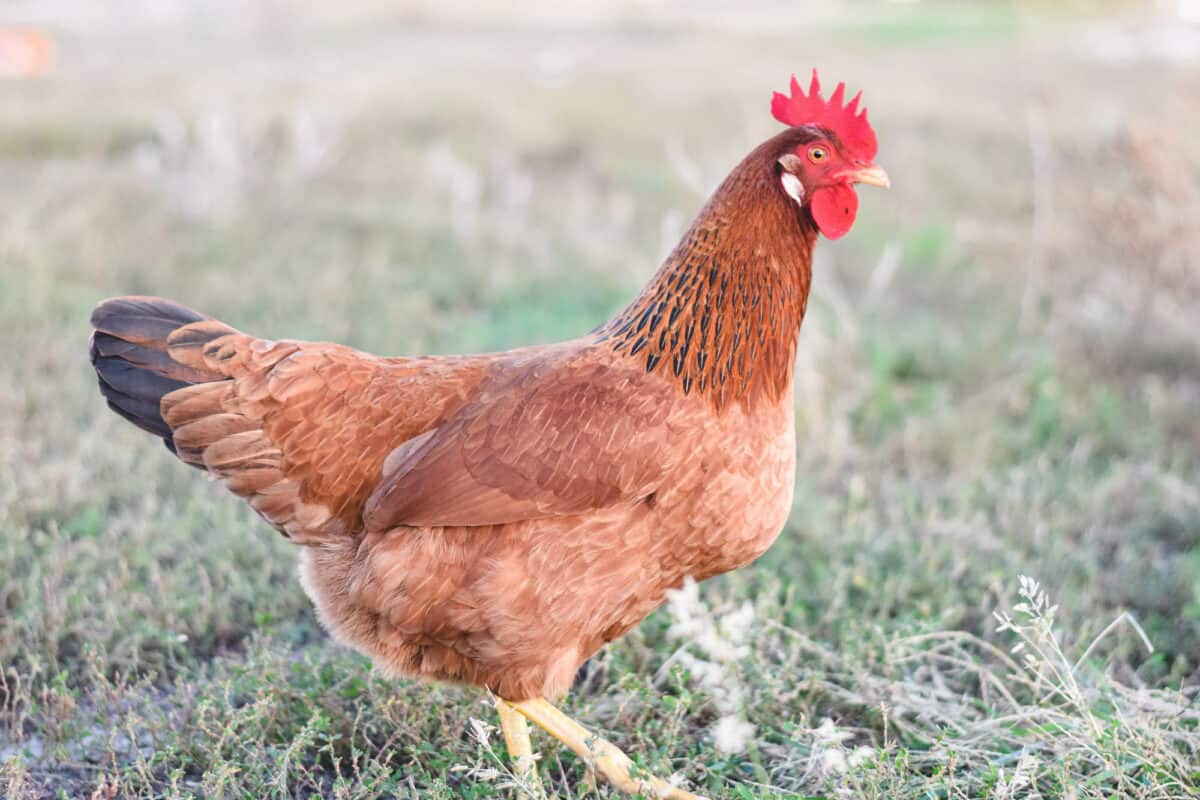
A fall reminder for backyard chicken keepers
I was recently reading about the bird flu again and it had me contemplating local small farms, homesteads, and protecting our feathered friends. I don’t want to make this a fear-based post, but educational to help my other chicken-loving friends.
On October 22, 2026, FOX 11 reported Wisconsin’s eighth poultry detection of bird flu that year, this time in a commercial flock in Barron County.
Bird flu has continued circulating in wild and domestic birds. Wild waterfowl can carry the virus without looking sick, which is one reason keeping them away from our chickens is so important.
For those of us caring for a small backyard flock, this is a reminder to take a closer look at our routines and make sure we’re covering the basics.
What does biosecurity mean for a few backyard hens?
Biosecurity sounds like a rather big word for something you do in muddy boots.
It simply means taking steps to keep disease from reaching your animals or spreading between them. For backyard chickens, that includes clean equipment, dedicated footwear, and keeping your flock separate from other birds.
You can find practical guidance in the USDA’s Defend the Flock resources. Here are a few habits to build into your chores…
Keep a pair of boots just for chicken chores
Even just a simple pair of muck boots or garden shoes reserved for the coop works.
Shoes can carry contaminated dirt and droppings into the chicken area. Keeping a dedicated pair of boots for flock chores helps reduce what you bring in from other places.
Choose a spot where they’re easy to grab and keep them out of the house. If other family members help with the chickens, make sure they know the routine, too. This is something that I’ve trained my children on as they help with the bulk of farm chores.
Wash your hands before and after caring for your birds. When children help with chores, make handwashing part of finishing the job.
Keep feeders, waterers, and equipment clean
Feeders, waterers, scoops, and other tools need regular attention. Farm animals are messy! Clean and disinfect equipment that comes into contact with your flock, and avoid sharing poultry supplies with other chicken keepers.
It’s easy to focus on the obvious coop chores and overlook the little things we carry in and out. Take a look at the buckets, crates, and tools you use along the way.
Make feed and water harder for wild birds to reach
Wild birds can bring disease into a poultry area, including through their droppings. Protect your chickens’ feed and water, and clean up spilled feed that might attract visitors.
Want to save this?
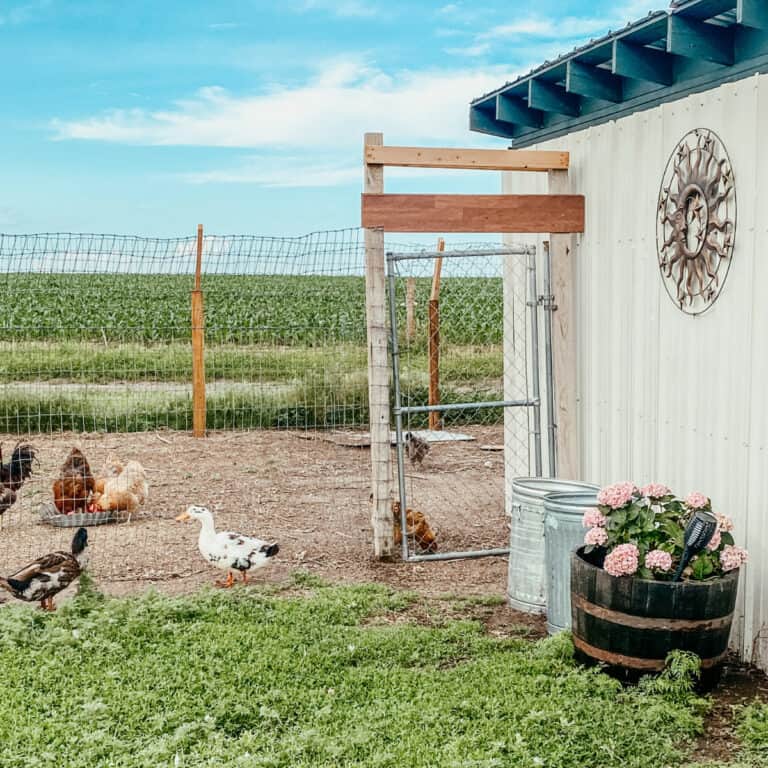
Look over the coop and run for places where smaller birds can get inside. An enclosure that keeps a large predator out may still leave room for little birds to enter.
Personally, I like to keep our feeders and waterers in the fenced-in run. But this is probably something we need to change during migration season.
The University of Minnesota Extension’s backyard flock guidance recommends keeping feeders and waterers out of reach of wild birds and using enclosed shelter and protected outdoor areas.
Check your state’s current animal-health guidance as well. During outbreaks, officials may recommend keeping poultry indoors or taking additional precautions.
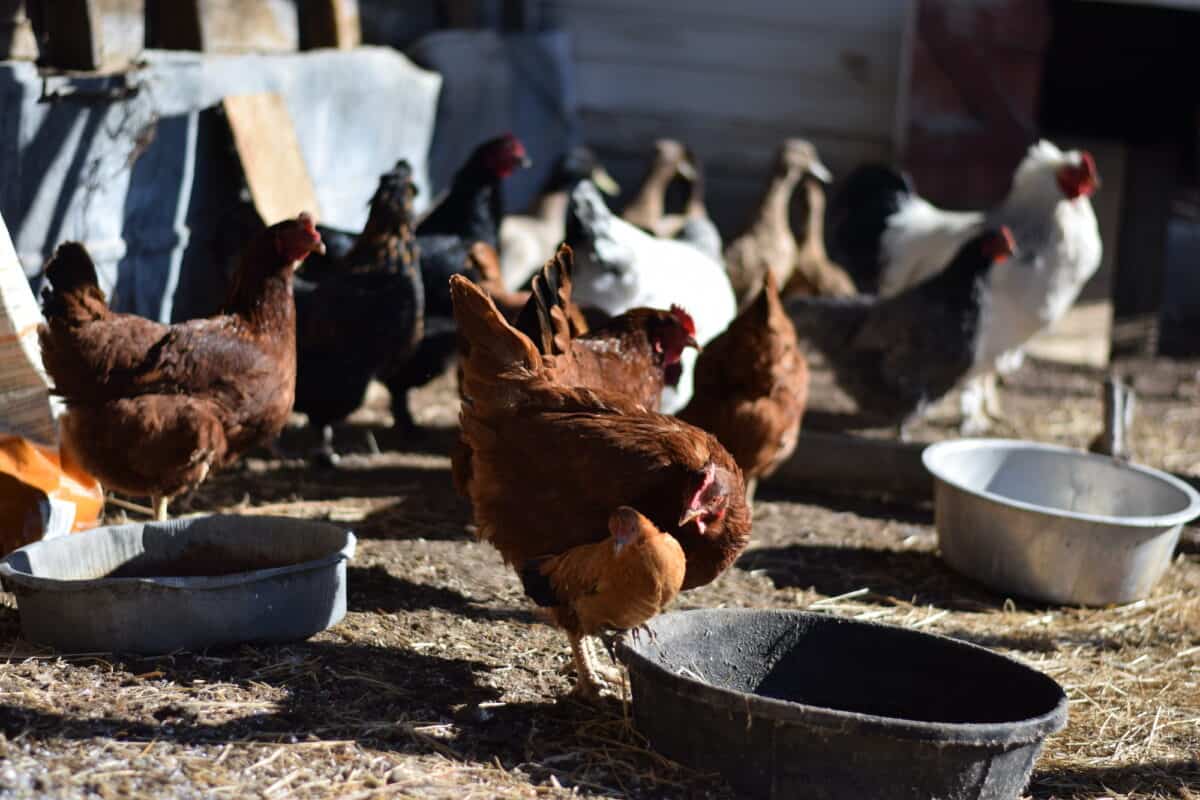
Give new birds time apart
If you’re adding chickens to your flock, plan for a separate space before bringing them home.
Extension guidance recommends keeping new birds, and birds returning from exhibitions, separate from your flock for at least 30 days.
That can take some planning when you only have one coop. It’s worth thinking through the space and equipment you’ll need before you’re standing in the yard with a crate full of chickens. I’ve definitely been here before! 😅
Be thoughtful about visitors and borrowed supplies
Visits with other chicken keepers, poultry swaps, and borrowed equipment can create opportunities for disease to travel between flocks.
Limit unnecessary visits to your chicken area. Anyone who needs to enter should have clean hands, clothing, and footwear, especially if they’ve been around other birds.
These are small boundaries that help you care for the animals depending on you.
Make it part of your fall routine
Fall is a useful time to walk around the chicken area and notice what needs attention.
Are wild birds getting into the feed? Do the waterers need cleaning? Is everyone using the coop boots? Do you have a plan for keeping new birds separate?
These habits help reduce risk, though no routine can guarantee a flock will stay healthy. The goal is to be consistent and keep learning as conditions change.
Know when to ask for help
Sudden unexplained deaths, trouble breathing, or swelling around a bird’s head are reasons to contact your veterinarian or state animal-health officials promptly.
You don’t need to figure out the cause on your own. Getting advice quickly matters when something seems wrong.
Raising chickens comes with a learning curve. I certainly didn’t begin with everything figured out, and there are still things to learn as we go.
Giving our animals thoughtful, everyday care is part of that work. A few dependable habits can help us approach the season better prepared.
Comment below and tell us how you keep your flock safe this time of year. Please share your best tips with all of us!
If you’re beginning your own homesteading journey, my Starting a Homestead Guide covers foundations such as raising livestock, planning a garden, and building your skills a little at a time.