Companion Planting in Raised Beds: How to Grow a Thriving Kitchen Garden
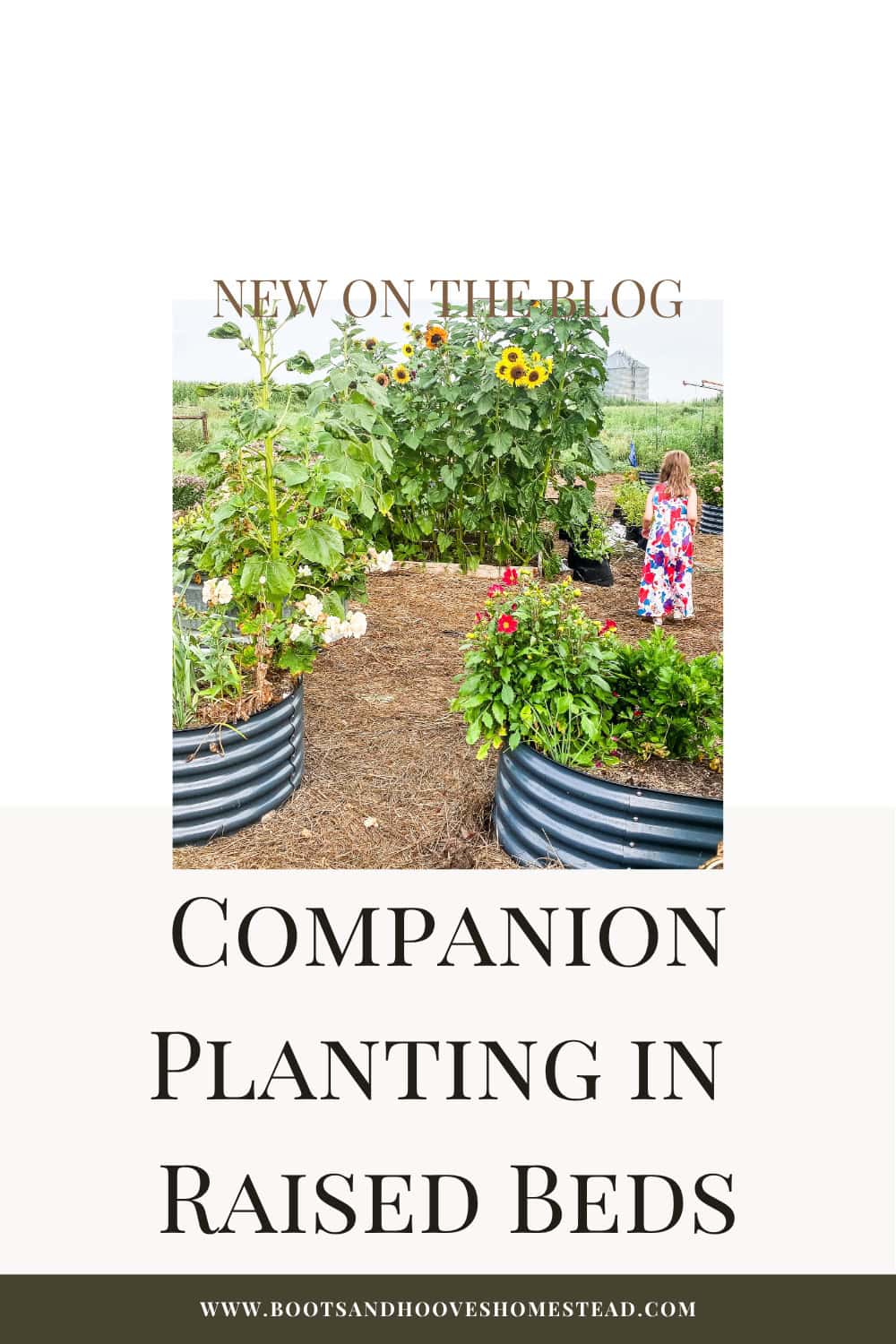
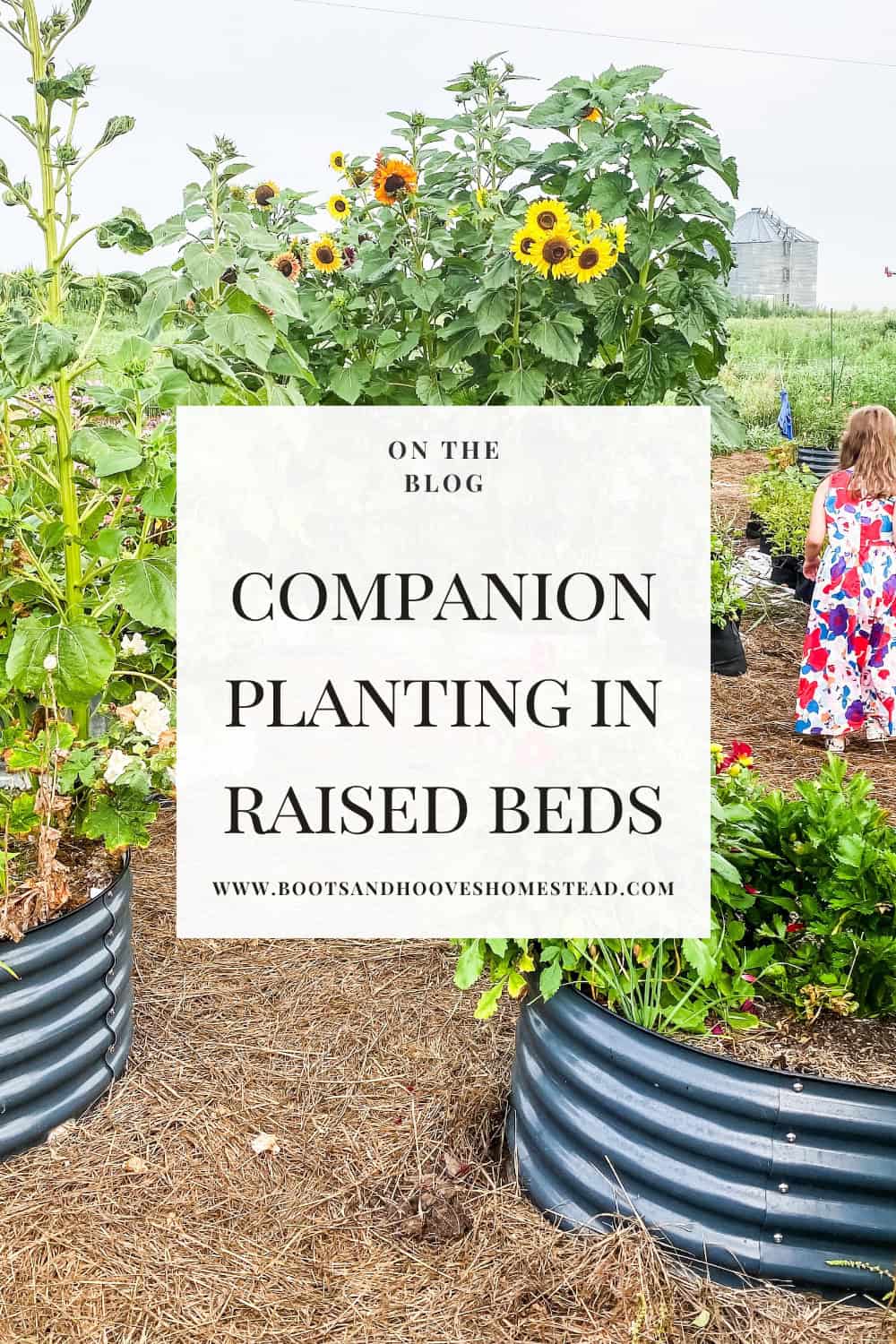
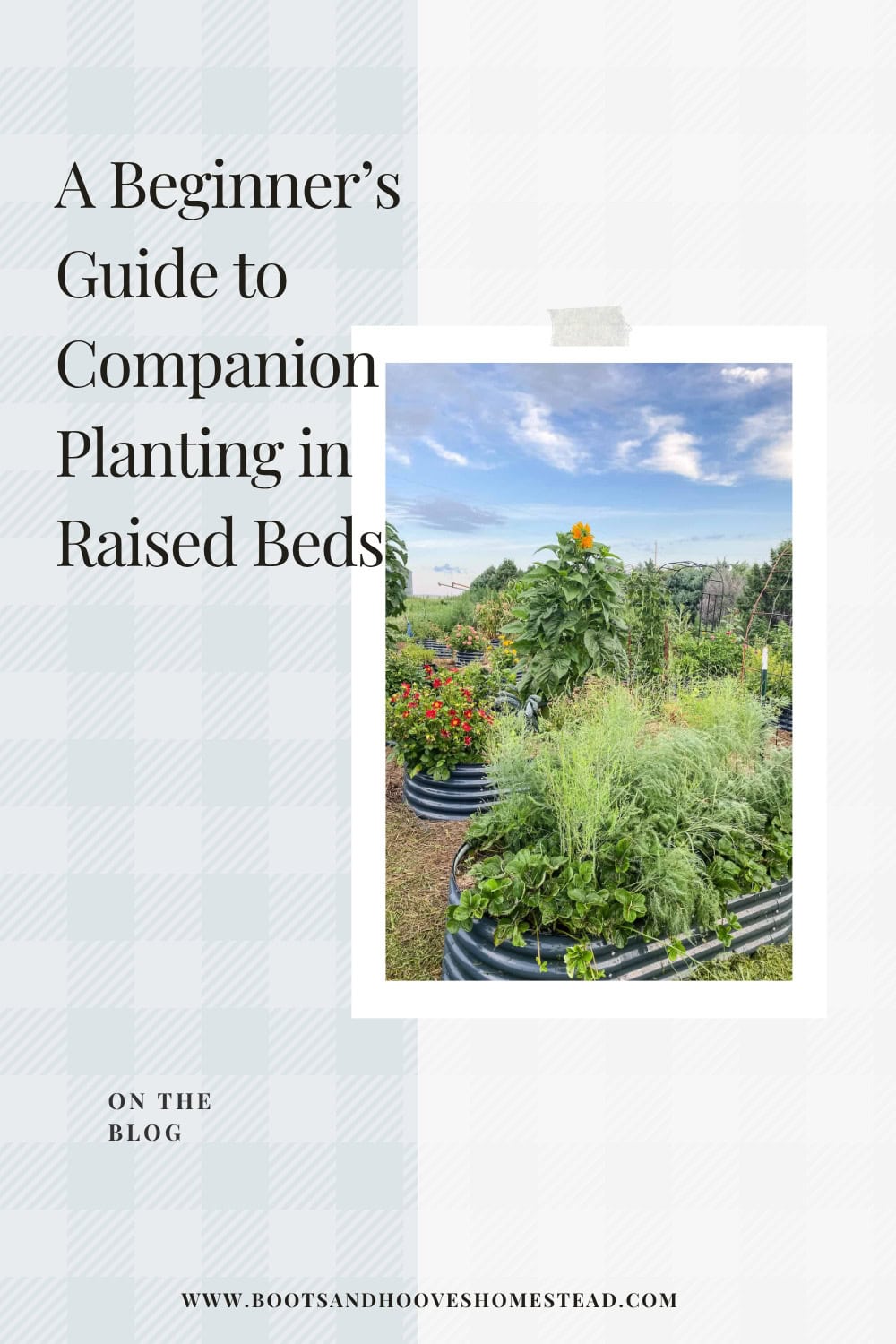
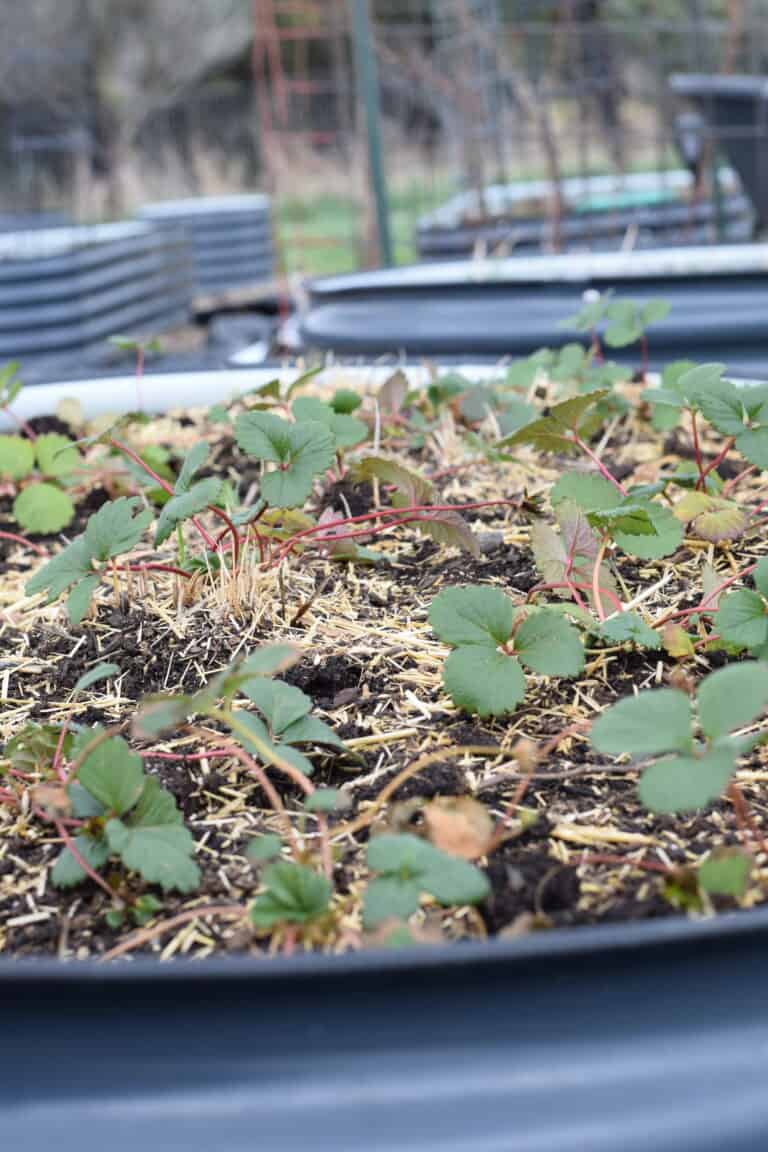
In this post, we are sharing our best tips for companion planting in raised beds. And how to grow a thriving kitchen garden in smaller spaces.
There’s something especially beautiful about a kitchen garden that feels full, abundant, and just a little bit wild…all in the best ways!
Tomatoes ripening on the vine, basil tucked in nearby, bright marigolds dotting the corners… which is not just pretty, but it’s purposeful.
Companion planting is one of the simplest ways to create a garden that works with nature instead of against it. And when you’re working with raised beds, it becomes even easier to design a space that is both productive and beautiful.
If you’ve ever wondered what to plant together or how to make the most of your raised beds, this guide will walk you through it step by step.
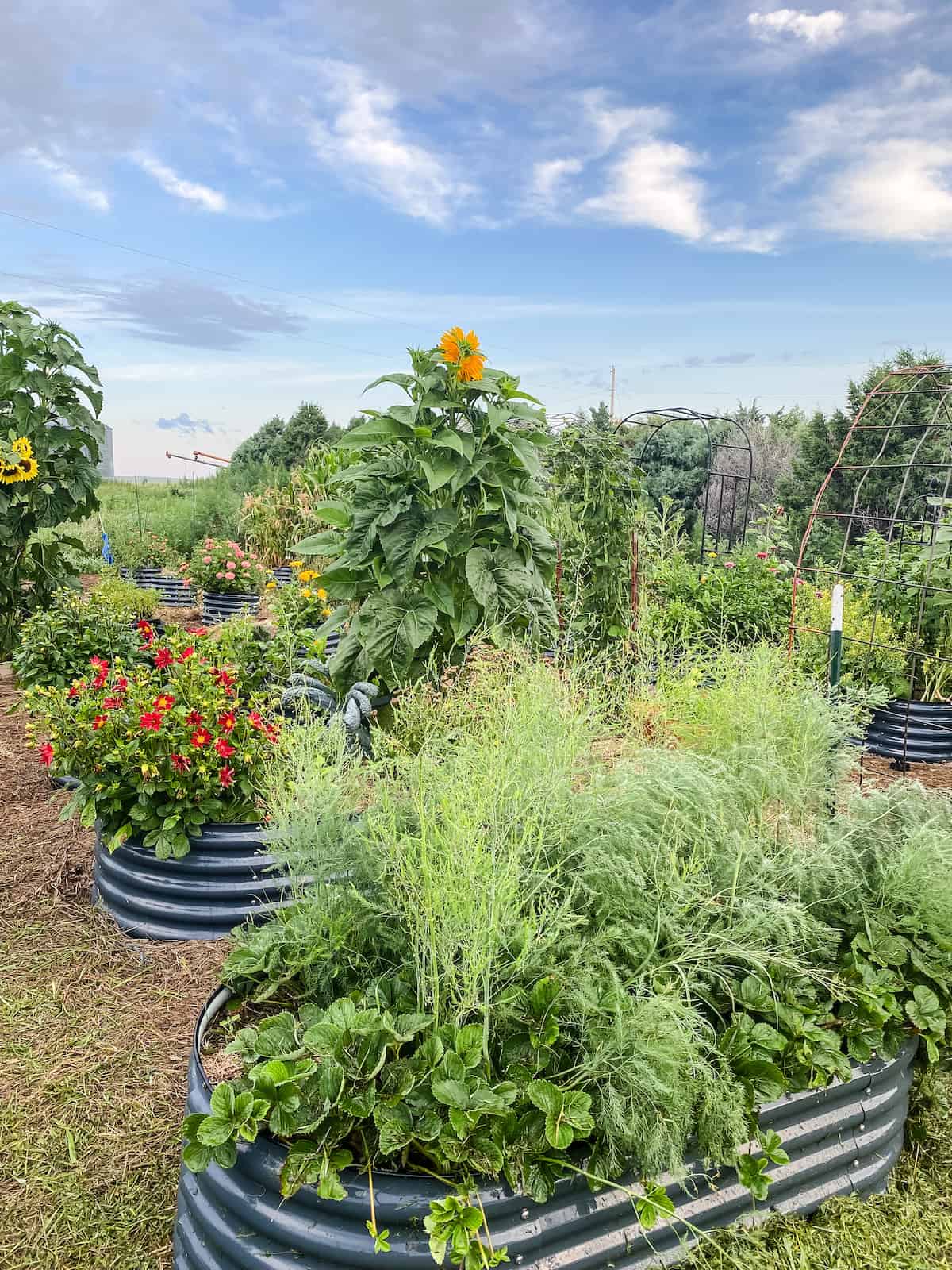
What Is Companion Planting?
At its core, companion planting is the practice of growing certain plants together so they can benefit one another.
Instead of planting your garden in isolated rows, companion planting invites you to think in relationships:
- Some plants help deter pests
- Some improve flavor or growth
- Others attract pollinators or beneficial insects
This method has been used for generations… long before modern gardening methods. And it’s rooted in simple observation of how plants naturally thrive together.
Why Companion Planting Works So Well in Raised Beds
Raised beds are one of the easiest ways to start companion planting, especially for busy moms who want a manageable and productive garden. After many years of trying to raise a family and garden, this is the method that I’ve found the most success with.
We’ve been homesteading for about 14 years now and raised bed gardening for half that time.
Here’s why they work so well together:
1. You’re working with a defined space
Raised beds give you clear boundaries, making it easier to intentionally group plants.
2. You can plant more intensively
Instead of long rows, you can tuck plants closely together (without overcrowding), which is perfect for companion combinations.
3. Better soil = healthier plants
With good soil comes stronger plants. And stronger plants are naturally more resistant to pests and disease.
4. It simplifies your planning
Each bed can have its own “theme” (like a tomato bed or salad bed), which makes companion planting feel much less overwhelming.
The Three Roles in a Companion Garden
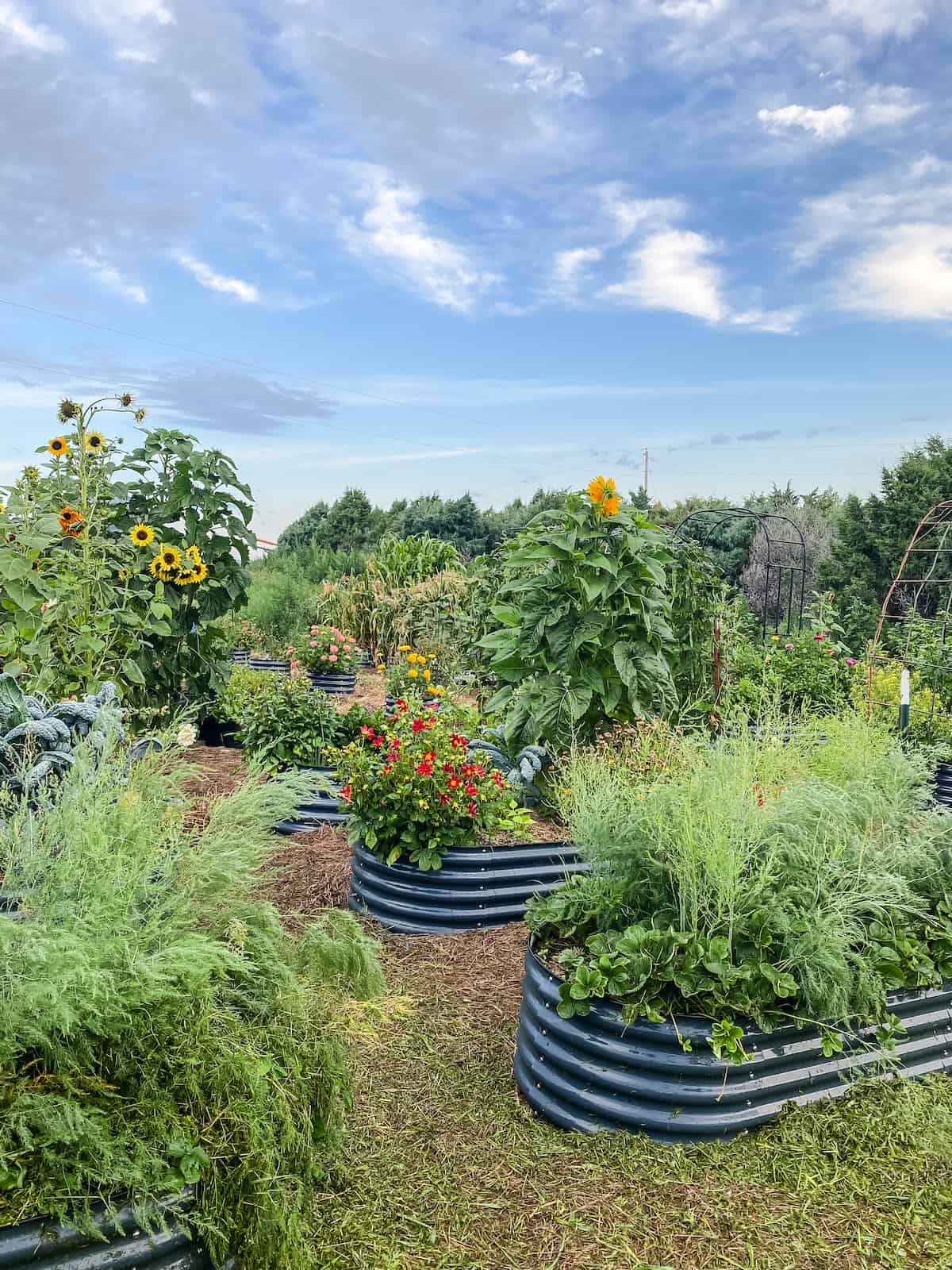
Let’s talk a bit about how to divide up the crops in the garden beds. If you think of them in terms of the main crops, the helpers, and the protectors/pollinators, it will be easier to begin your garden plans.
One of the easiest ways to think about companion planting is to divide your garden into three types of plants:
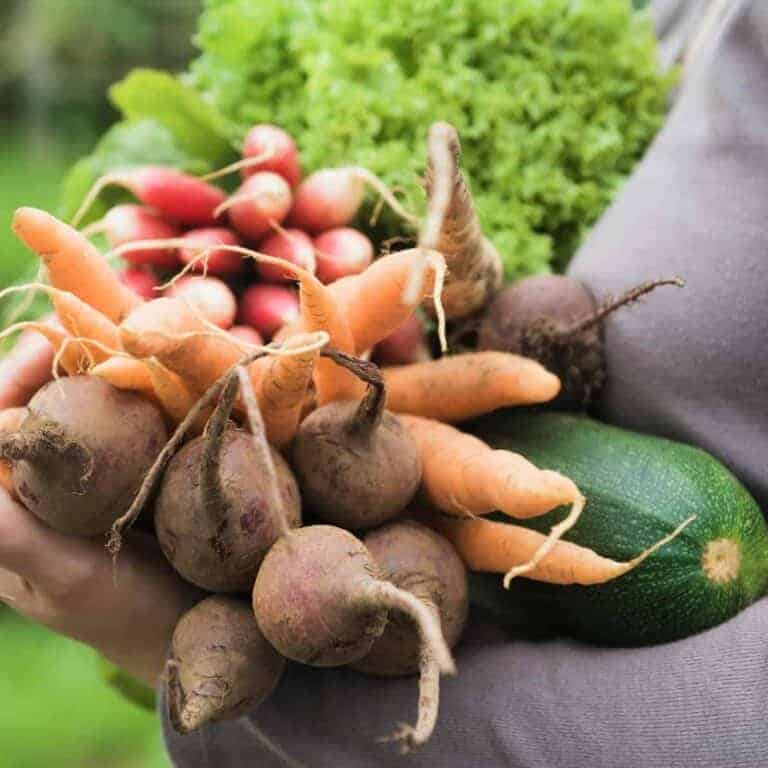
🥕 Vegetables: The Main Crops
These are the stars of your garden. AKA what you’re primarily growing to feed your family.
Think:
- Tomatoes
- Peppers
- Lettuce
- Carrots
- Cucumbers
🌿 Herbs: The Helpers
Herbs are incredibly useful in the garden and often overlooked.
They can:
- Deter pests
- Improve plant growth
- Enhance flavor
- Attract beneficial insects
Some of the most helpful include basil, chives, dill, parsley, oregano, and thyme.
🌼 Flowers: The Protectors & Pollinators
Flowers aren’t just for beauty (though they certainly add that too).
They play a key role by:
- Attracting bees and pollinators
- Drawing in beneficial insects
- Repelling harmful pests
- Acting as trap crops
Even a few flowers in each raised bed can make a noticeable difference.
Best Companion Planting Combinations for Raised Beds
If you’re just getting started, the easiest approach is to stick with a few tried-and-true combinations. Here are a few of our favorite planting combinations that you may want to try out.
🍅 Tomatoes
Plant with basil, marigolds, nasturtiums, onions, or garlic.
These companions help repel pests, improve growth, and even enhance flavor. Tomatoes do best when supported by both herbs and flowers nearby.
Avoid planting tomatoes near corn or potatoes, as they can share similar pests and diseases. I actually tested growing corn and potatoes in our raised beds—hated it, don’t recommend.
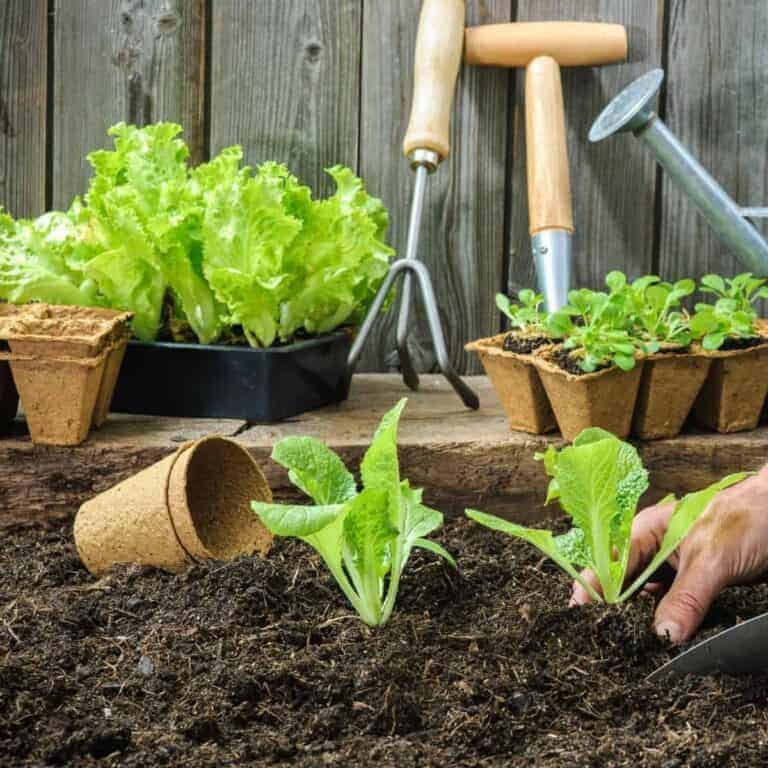
🥬 Lettuce
Plant with carrots, radishes, strawberries, or chives. Fast growing root vegetables like radishes, carrots, beets, etc don’t compete with space and make an excellent companion plant.
Lettuce benefits from being near taller plants, like corn, tomatoes, cucumbers, pole beans, etc. that can provide a bit of shade during hot weather, helping it last longer before bolting.
🥕 Carrots
Plant with onions, chives, lettuce, or rosemary.
Onions and chives are especially helpful in deterring carrot flies, one of the most common carrot pests. And herbs like rosemary, sage, and cilantro to mask their scent. Lettuce, radishes, and tomatoes are also excellent neighbor plants.
Avoid planting carrots near dill, as it can interfere with their growth.
Want to save this?
🌶 Peppers
Plant with basil, onions, spinach, or marigolds. And herbs like oregano or rosemary, which improve flavor and repel pests such as aphids and spider mites.
Avoid planting near fennel or brassicas.
These combinations help reduce pests and support healthy growth without competing for space.
🥒 Cucumbers
Plant with nasturtiums, radishes, beans, dill, sunflowers, or marigolds.
Nasturtiums are especially helpful here. They act as a trap crop, attracting pests away from your cucumbers.
Avoid planting cucumbers near sage.
Simple Raised Bed Layout Ideas
If you’re more of a visual planner, these simple layouts can help you picture how everything fits together. Most of our raised beds are either 4X6 or 4X8 and I put together these simple bed ideas with those spaces in mind.
🌿 The “Kitchen Bed” (4×6 Raised Bed)
This is a perfect beginner-friendly setup.
- Tomatoes planted toward the back or center (I like to trellis with cattle panels)
- Basil tucked around the base
- Marigolds in each corner
- Onions or garlic along the edges
This combination is simple, productive, and incredibly effective.
🥗 The “Salad Garden” (4×6 or 4×8)
A fresh, everyday harvest right outside your door:
- Lettuce across the front
- Carrots and radishes interplanted
- Chives dotted throughout
- Optional: a few marigolds for pest control
🌼 The “Pollinator Bed” (4×8)
Perfect if you want to boost production across your entire garden:
- Cucumbers or tomatoes on a trellis in the back
- Nasturtiums trailing along edges (Botanical Interests has some really neat varieties!)
- Zinnias and calendula throughout
This bed brings in bees, butterflies, and beneficial insects in abundance.
These ideas are all interchangeable and customizable for your specific needs. I’m only sharing a few ideas to help get you growing!
🌸 Flowers Every Kitchen Garden Should Include
If you only add a few flowers, start here:
- Marigolds – help deter many common garden pests. Be sure to select the French variety
- Nasturtiums – act as a trap crop and are edible
- Calendula – attracts pollinators and has herbal uses
- Zinnias – one of the best flowers for attracting bees and butterflies (and also excellent for cut flowers!)
Even a handful of flowers can completely change the health and feel of your garden.
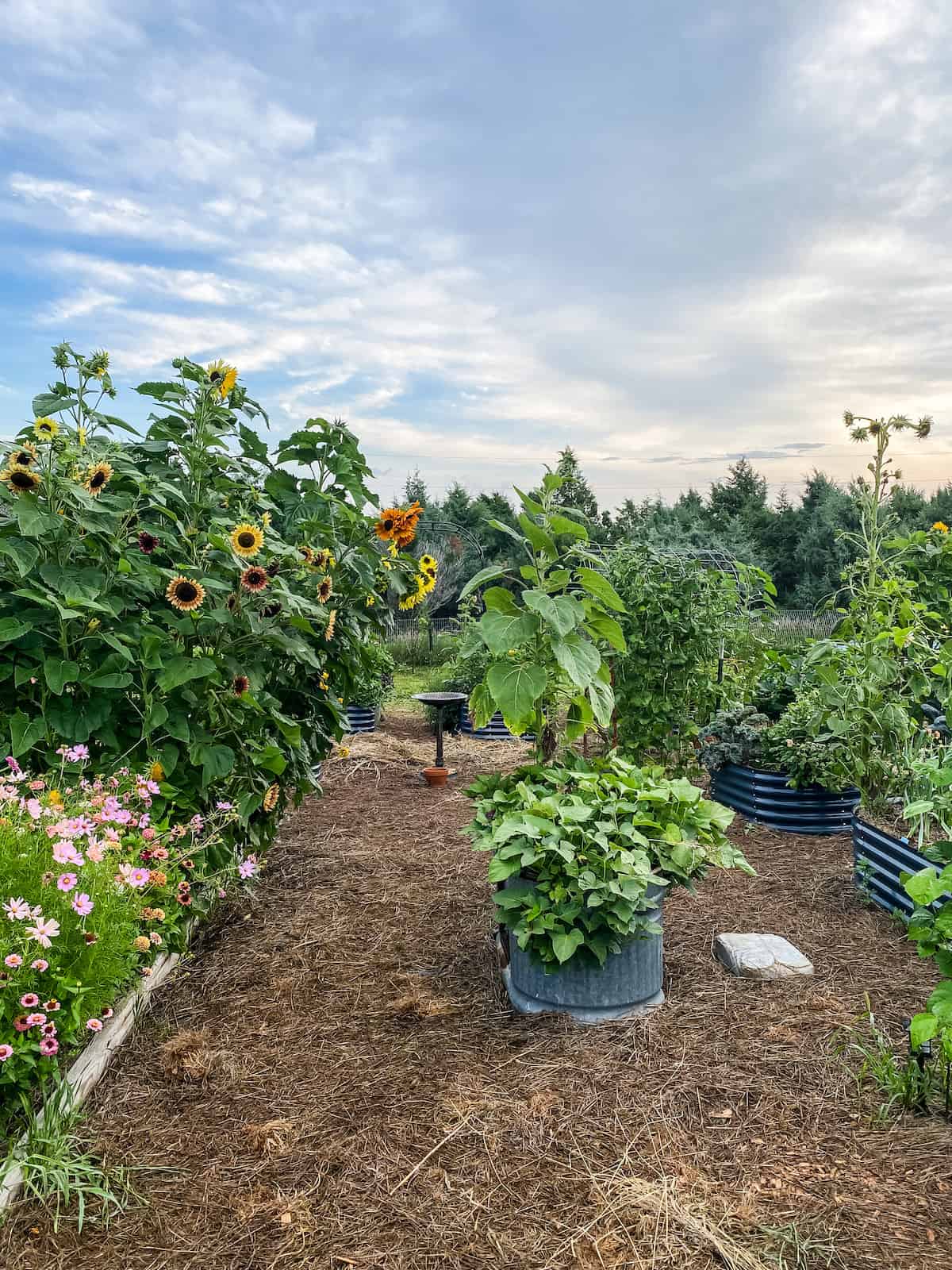
Beginner Tips for Companion Planting Success
If this feels like a lot, don’t worry, you don’t have to do everything at once.
Start here:
- Choose 1–2 companion combinations and try them first
- Mix vegetables, herbs, and flowers in each bed
- Pay attention to spacing (crowded plants struggle)
- Observe what works in your garden
- Keep it simple and build each season
Companion planting is something you can grow into over time.
Common Companion Planting Mistakes to Avoid
A few simple adjustments can make all the difference:
- Overcrowding your beds – more isn’t always better
- Ignoring sunlight needs – group plants with similar requirements
- Planting incompatible crops together
- Skipping flowers – they’re more important than most people think
- Trying to do too much at once
FAQ (frequently asked questions)
Yes, this is exactly what companion planting is all about. Mixing them creates a healthier, more balanced garden.
It depends on the size of your bed and the plants you choose. Always follow spacing guidelines on seed packets or plant labels to avoid overcrowding.
It helps significantly, but it’s not a perfect solution. Healthy soil, good spacing, and regular observation all play a role.
Tomatoes, basil, and marigolds. It’s simple, effective, and hard to get wrong.
Why You’ll Love Companion Planting
Once you start, you’ll quickly see why so many gardeners love this approach:
- A garden that feels alive and balanced
- Fewer pests—naturally
- More productive harvests
- A more beautiful, cottage-style garden
- Better use of small spaces
🌱 Final Thoughts
Companion planting doesn’t have to be complicated to be effective.
In fact, the best gardens often come from simple, thoughtful combinations—plants growing together in a way that just makes sense.
- Start small
- Try a few pairings
- Tuck in a handful of flowers
And before long, you’ll have a kitchen garden that isn’t just productive—but truly a joy to step into each day.