Homesteading for Beginners: What Is Regenerative Agriculture? (+ Easy Tips to Get Started)
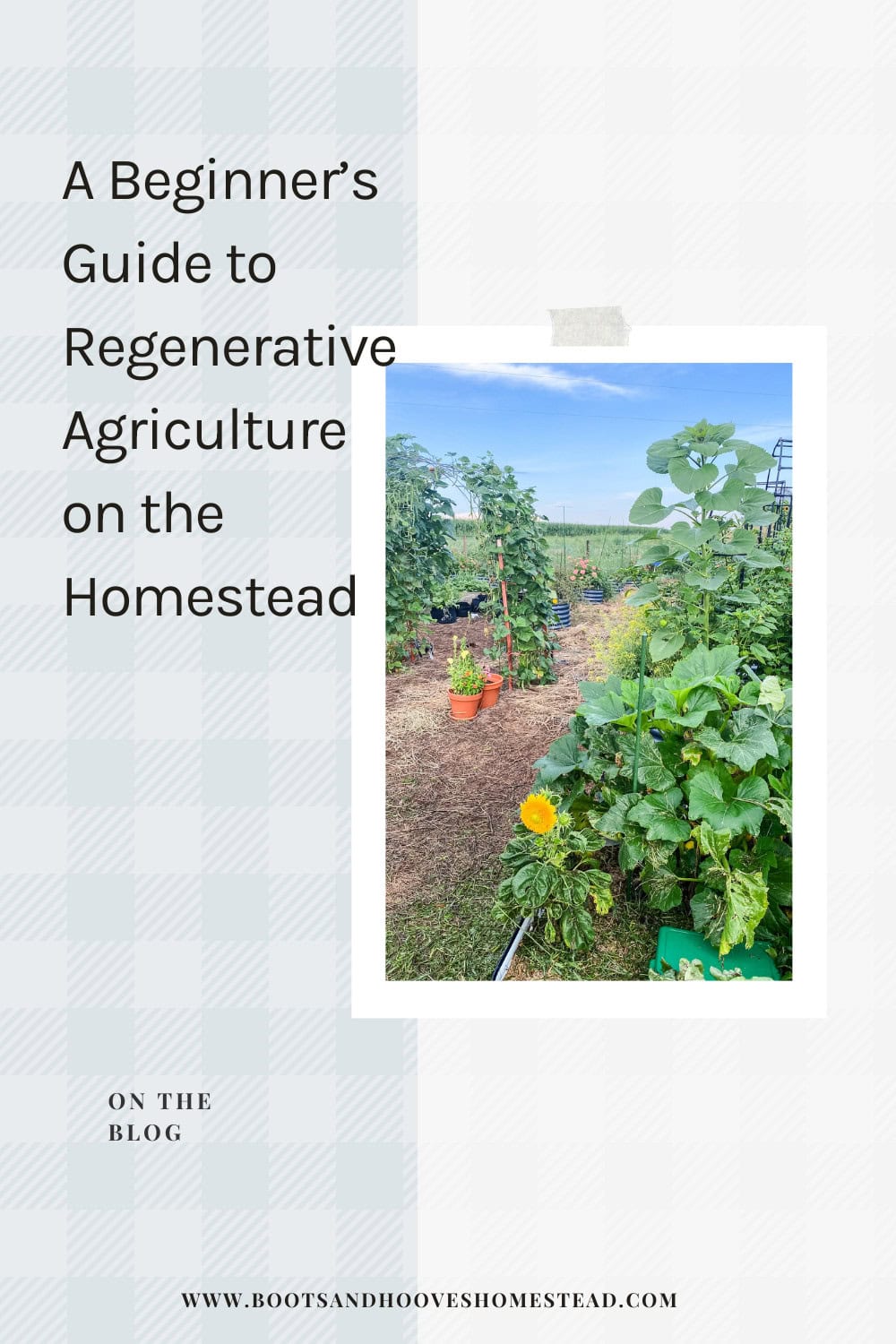
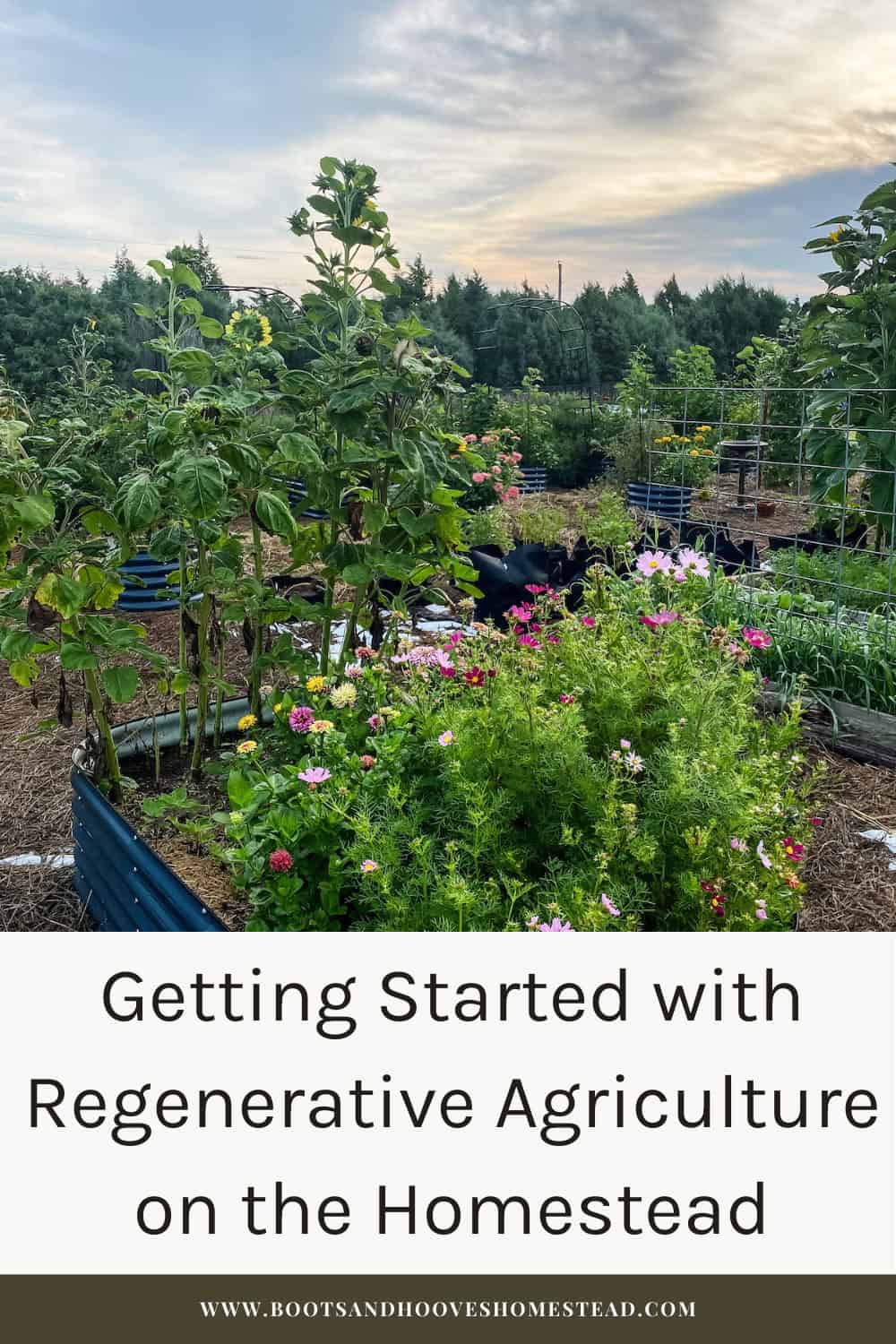
If you’re dreaming of a healthier, more productive homestead, regenerative agriculture is one of the most powerful approaches that you can adopt.
This method focuses on restoring the land, building healthy soil, and creating a thriving ecosystem that supports your garden, your animals, and your family for years to come.
You can begin with small, simple steps—no 100-acre farm is required!
Whether you’re growing a backyard garden or managing a larger piece of land, regenerative agriculture helps you work with nature instead of fighting against it. Here’s everything beginners need to know to start using this approach on a homestead.
What Is Regenerative Agriculture?
Regenerative Agriculture has been my desired path on our homestead since the very beginning. This path really is the way that God intended or designed ecosystems to function.
It is a way of stewarding the land that gives back more than it takes. Instead of relying on heavy tilling, chemical fertilizers, or constant inputs, this approach focuses on:
- Building healthy, living soil
- Increasing biodiversity
- Protecting water resources
- Strengthening your land’s natural resilience
- Creating long-term fertility
- Growing nutrient-dense, flavorful food
At its heart, regenerative agriculture is about restoring the natural systems God designed—so your land becomes more fertile and productive each year.
Why Regenerative Agriculture Matters for Homesteaders
Adopting a regenerative approach has huge benefits, especially for beginners. Here are just a few key benefits you’ll see on your homestead:
- Healthier, richer soil—naturally. Healthy soil grows healthier plants. Over time, you’ll see improved yields and stronger crops with fewer pests.
- Less watering required. Soil rich in organic matter holds onto moisture, even in drought.
- Fewer weeds and pests. A balanced ecosystem naturally suppresses weeds and invites beneficial insects.
- Reduced input costs. As your soil improves, you’ll rely less on fertilizer, soil amendments, and pest control.
- A more resilient homestead. Healthy soil and diverse plant life help your land bounce back after extreme weather.
The 5 Core Principles of Regenerative Agriculture
These principles guide the entire practice and are very simple to begin implementing. And you don’t even need to implement all of it at once. Although, if you desire to do so, it really isn’t complicated to get started.
1. Keep the Soil Covered
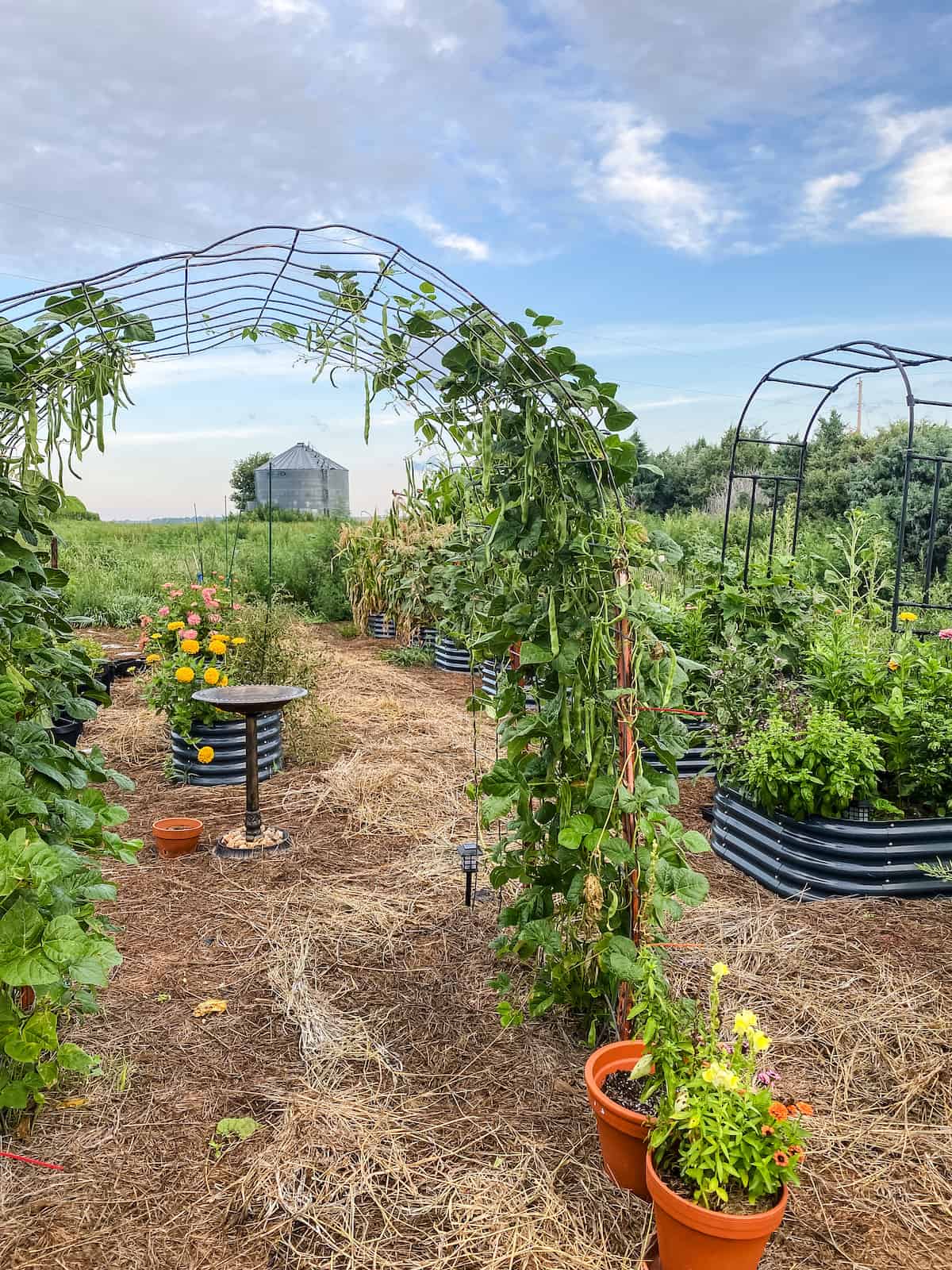
Bare soil loses moisture, erodes easily, and becomes compacted. A generous layer of mulch or a living cover protects the soil and feeds the microbes beneath the surface. One of our favorite mulches to use in our raised beds is garden straw. We’ve been using this product for many years with great success.
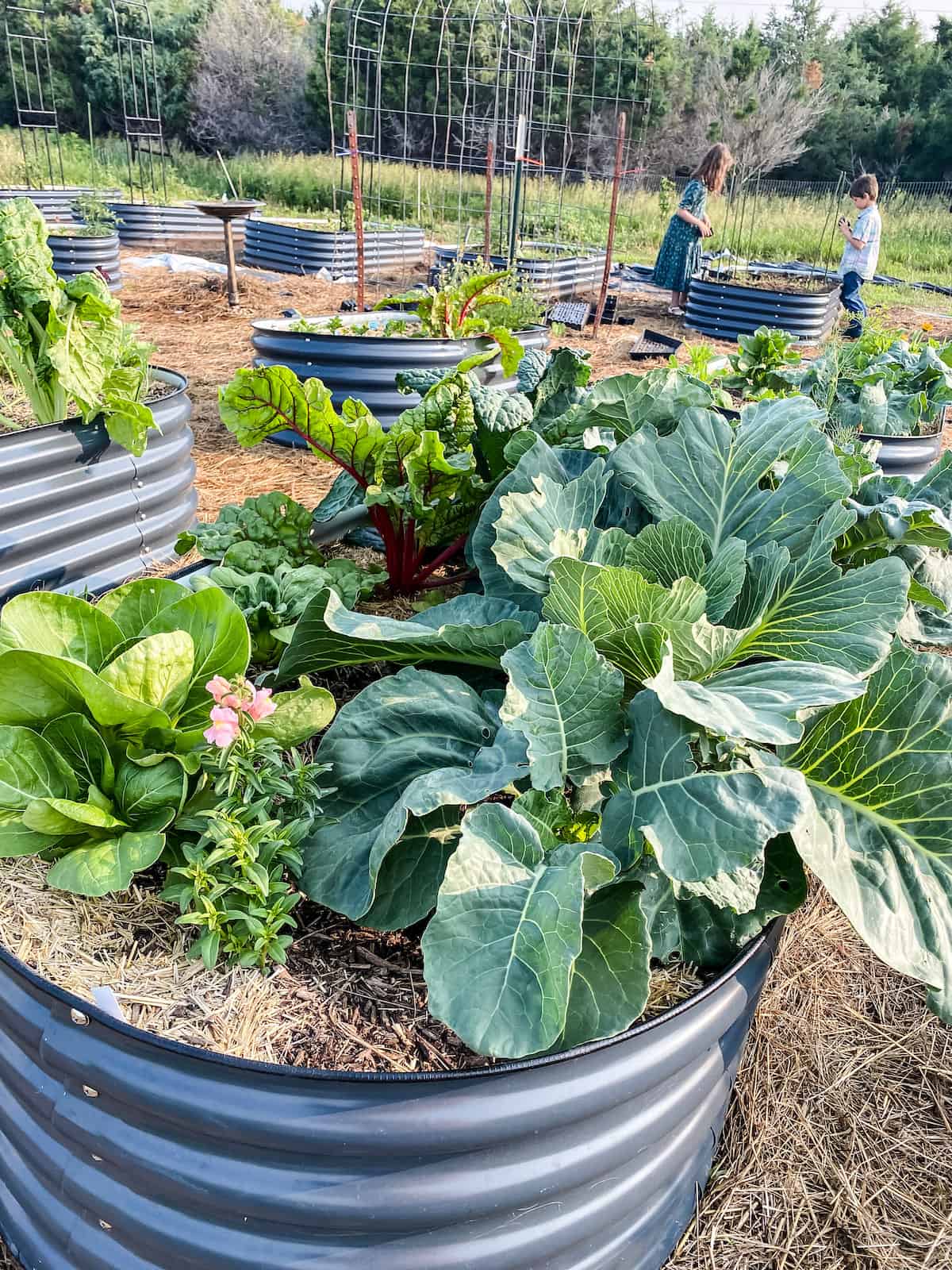
Easy ways to keep soil covered:
- Straw
- Leaves
- Wood chips (for perennials)
- Grass clippings
- Cover crops—our favorite cover crops are either this Field Peas/Oat/Vetch Mix or this White Clover.
- Compost
2. Minimize Soil Disturbance
When we constantly till or turn the soil, we destroy the fungal networks, structure, and beneficial microbes that help plants thrive.
Essentially you’ll want to move towards a no-till method of gardening. We have been in raised bed now for several years and so
Simple swaps for beginners:
- Build or transition to no-till garden beds
- Broadfork instead of tilling if soil is compacted
- Use mulch to smother weeds instead of disturbing soil
Old hay is something that I like to use around walkways to keep the weeds away.
3. Increase Biodiversity
Nature thrives in diversity. And so mixing plant types encourages healthier soil, healthier plants, and fewer pest issues.
Try adding:
- Companion plantings
- Herb borders
- Pollinator flowers
- Different vegetable families in each bed
- Pasture mixes of grasses, legumes, and forbs
4. Keep Living Roots in the Ground Year-Round
When roots are always growing in the soil, microbial life stays fed and active. This reduces nutrient loss and erosion.
Great beginner options:
- Clover
- Oats and peas
- Buckwheat
- Hairy vetch
- Rye
- Daikon radish (breaks up hardpan!)
These can be used during the off-season or in between crops. When I’m cleaning up the garden for the season, I actually leave things like sunflowers and other seedy plants for the birds to enjoy during the winter months. It’s always a joy to see the bluejays coming to the garden in mid-winter!
I also just cut the other plants at the base or leave over winter to compost in place and cleanup in the early spring before planting.
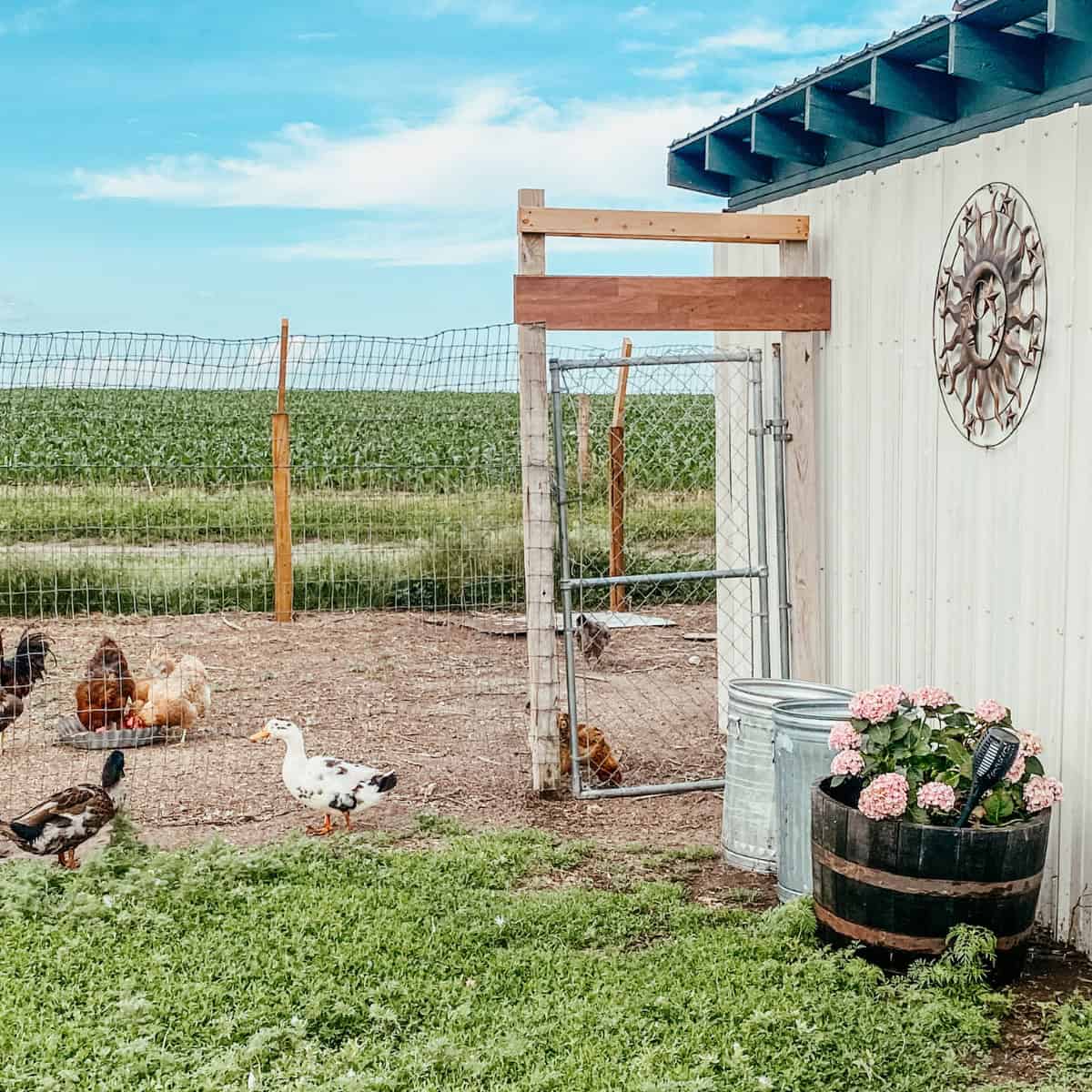
5. Integrate Livestock (If You Have Them)
Animals play a vital role in regenerative systems when managed well.
Their manure fertilizes the soil, their hooves press organic matter into the earth, and their movement controls weeds and pests.
Easy animal integrations:
- Chickens following cows or goats in rotation to spread manure
- Chickens in garden beds after harvest
- Rabbits providing rich manure that can be used immediately
- Portable pig paddocks for land clearing and soil improvement
Want to save this?
Goats are a favorite option over here for helping clear the land and for their manure. And of course, their fun personalities! But, you may also want to consider sheep as well! Goats browse woody plants; sheep eat more grasses/legumes, complementing cattle and creating healthier systems.
Avoid letting animals graze one area too long—this leads to over grazing, compaction, and bare soil.
How to Start Using Regenerative Agriculture on Your Homestead
So, let’s talk about some practical tips for getting started.
Here are simple, beginner-friendly steps to begin today—even if you’re starting with a small garden:
1. Begin With Your Soil
Healthy soil is the foundation of a successful homestead. A few simple amendments can help you have rich, healthy soil that is full of a diverse web of microbes, fungi, and earthworms.
Take time to observe:
- Does water drain quickly or pool?
- Do worms show up when you dig?
- Is the soil crumbly or hard and compacted?
Optional: Get a simple soil test through your local extension office.
2. Add Organic Matter—Often
Organic matter is the fuel that builds rich soil.
Add materials like:
- Compost
- Leaf mold
- Manure
- Old hay or straw
- Grass clippings
- Mulched leaves
Aim to add organic matter at least once or twice per year. For more on how we use organic materials in our garden, see our post: How-to Fill a Raised Garden Bed.
3. Mulch Everything
Mulching suppresses weeds, reduces watering, and protects soil life.
Keep it simple and use what you have—straw, leaves, grass, or compost.
4. Reduce or Eliminate Tilling
Tilling releases carbon, harms soil biology, and dries out the soil faster.
Switch to no-till methods as soon as you can.
If your soil is compacted, use a broadfork to gently lift (not flip) the soil.
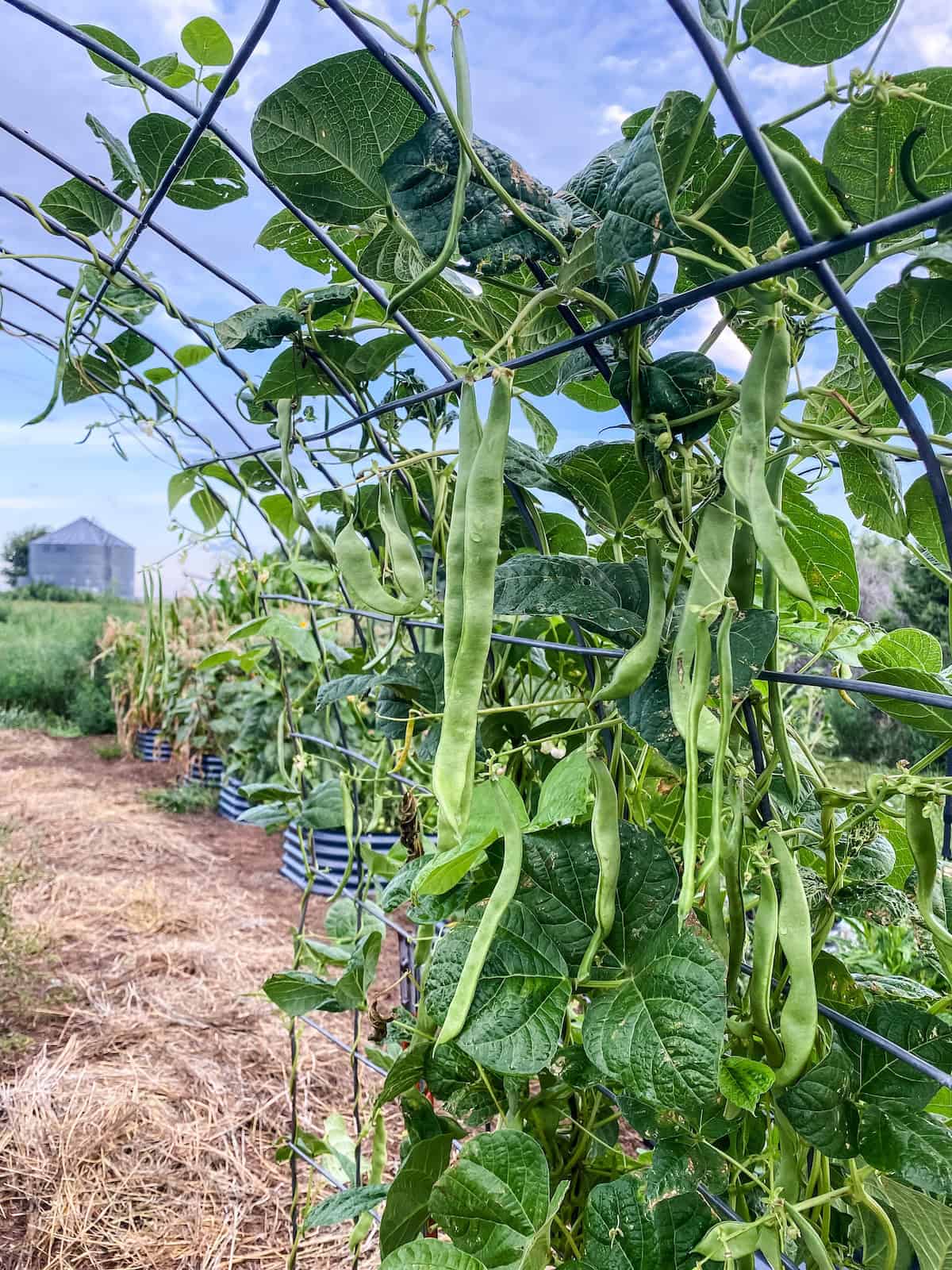
5. Start Planting More Perennials
Perennials hold soil in place, feed pollinators, and require less work.
Start with easy options:
- Berry bushes
- Rhubarb
- Asparagus
- Fruit trees
- Medicinal and culinary herbs
- Native flowers and grasses
6. Add Cover Crops to Your Rotation
Cover crops:
- Build organic matter
- Fix nitrogen
- Break up compaction
- Feed soil microbes
- Reduce weeds
They are one of the fastest ways to regenerate depleted soil.
7. Observe and Adjust Slowly
Regenerative agriculture is a long-term stewardship mindset. Make one or two changes each season, observe how your land responds, and continue improving. Small steps create big results over time.
Final Thoughts
Regenerative agriculture isn’t a trend—it’s a return to timeless, natural farming practices that heal the land instead of depleting it. Whether you’re growing a backyard garden or managing several acres, this approach helps you nurture healthier soil, healthier plants, and ultimately a healthier home.
And remember, you don’t need to overhaul your homestead overnight. Start small, focus on soil health, and let nature do the heavy lifting.